John Mooney
1803
Irish link: Documented
The Streamstown man who, with his son-in-law Patrick Bookey, was the first named Westmeath settler-employer in Argentina in the late 1820s.
- Land and business
The register
Admirals and shepherds, priests and editors, writers and the disappeared. Every entry carries a grade for its Irish link, with the evidence one tap away, and says where the sources disagree.
41 people · documented lives and disputed links
41 people · documented lives and disputed links
Era 1 · 1520–1828
Irish names in the viceroyalty, soldiers who stayed after 1806, and William Brown's navy.
1803
The Streamstown man who, with his son-in-law Patrick Bookey, was the first named Westmeath settler-employer in Argentina in the late 1820s.
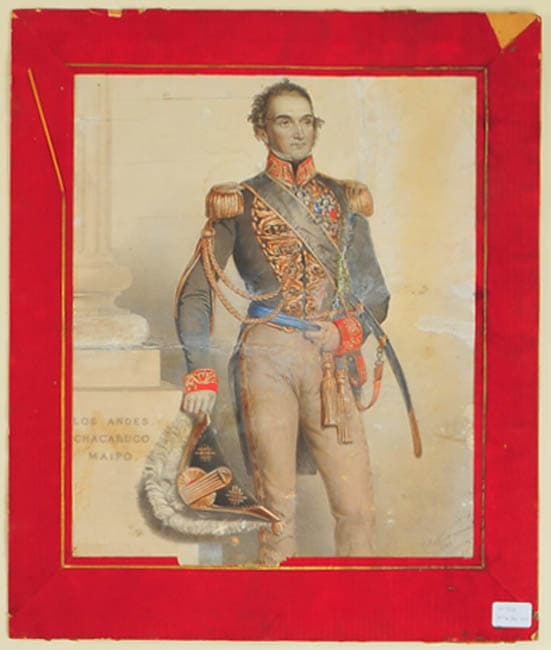
1786–1861
The Baltinglass-born aide-de-camp to San Martín, who tried to recruit Irish emigrants in the 1820s, was jailed by Rosas and now lies in Mendoza.
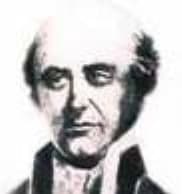
1749–1819
The Ennis-born physician of the Spanish viceroyalty who promoted the Protomedicato in 1780 and founded medical teaching in Buenos Aires.
1715
The Galway merchant who settled in Buenos Aires in 1749 and became the ancestor of the Argentine Lynches, including the novelist Benito Lynch and Che Guevara.
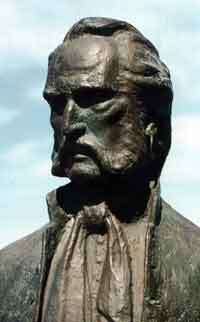 Bronze bust
1780–1832
An Irish soldier of the 1806 invasion who deserted, turned gaucho and tanner, and commanded Artigas's river fleet; Uruguay remembers him as the founder of its navy.
1792–1844
The Cavan-born sheep pioneer of the 1820s, the largest employer of early Irish labourers, who owned some 40,000 sheep when he died.
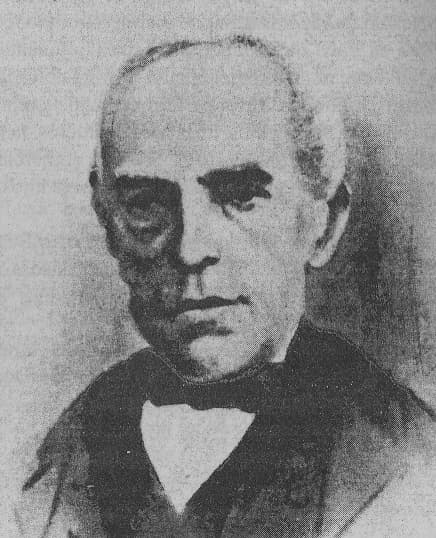
1797–1875
The Offaly-born merchant and banker who recruited the first Westmeath–Longford emigrants in 1826 and became Fr Fahy's banker and landlord.
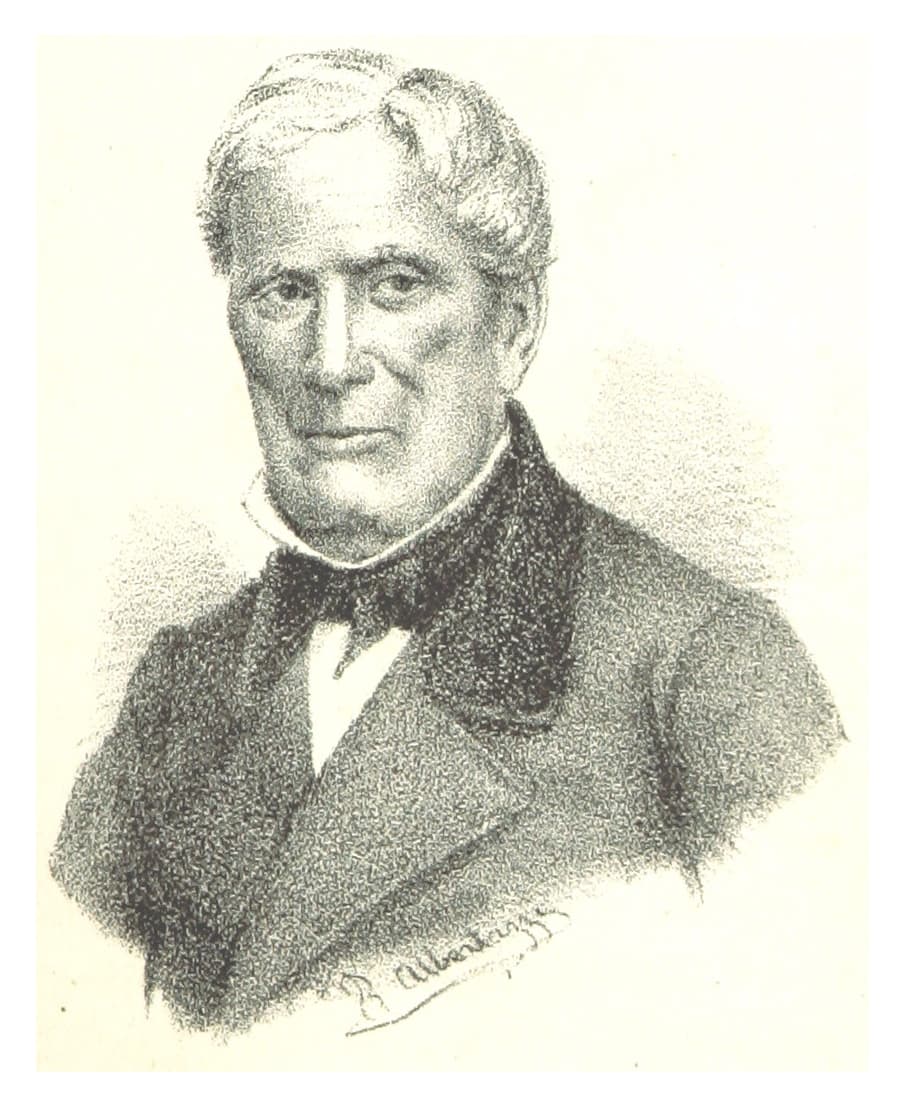
1777–1857
The Mayo-born founder of the Argentine Navy, who broke the Spanish blockade off Montevideo in 1814 and commanded the fleet against Brazil.
Era 2 · 1826–1889
Emigration chains from Westmeath, Longford and Wexford, the sheep boom and life in the camp.
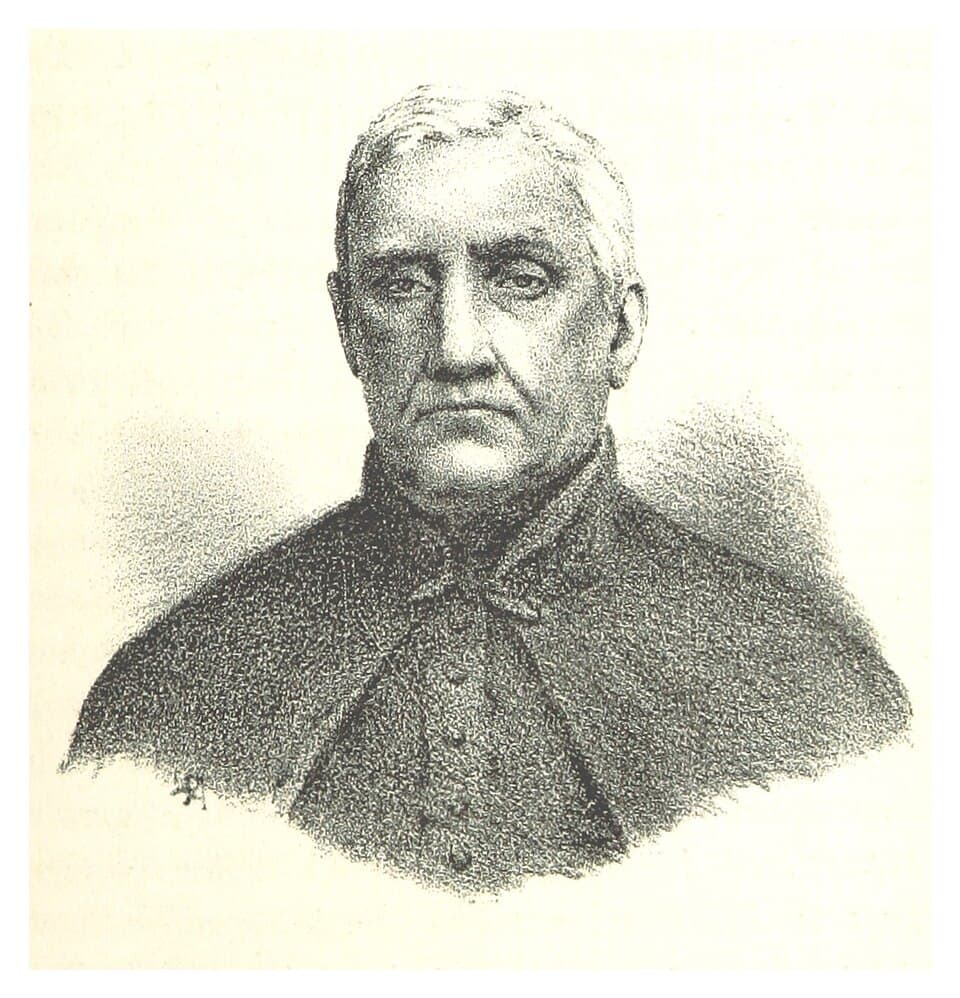
1805–1871
The Loughrea Dominican who was chaplain, banker and matchmaker to the Irish of Buenos Aires from 1844 to 1871, and a supporter of Rosas.
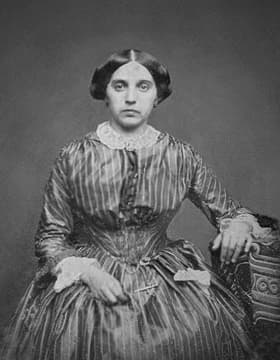
1828–1848
Shot with the priest Ladislao Gutiérrez on Rosas's orders in August 1848, aged about 20; the granddaughter of an O'Gorman merchant from Ennis and the best-known Irish-named victim of the Rosas years.
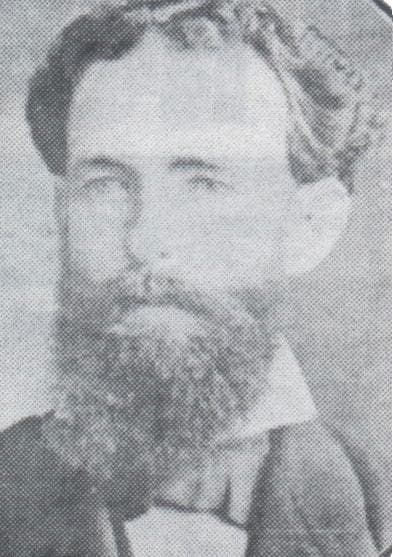
1847–1906
The Irish-Argentine land developer who founded Venado Tuerto, first exported live cattle to England and was ruined in the crisis of 1890.
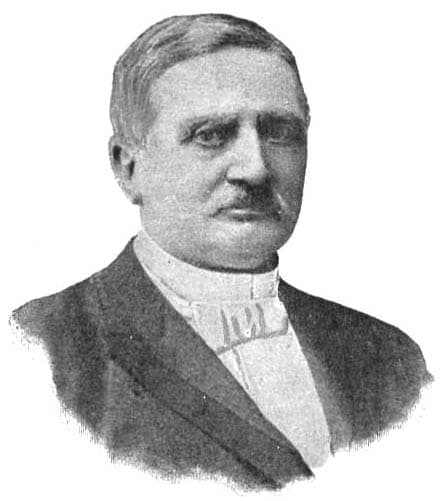
1832
Co-founder, with his brother Michael, of The Standard in Buenos Aires in 1861; a sheep farmer and businessman from a Dublin family who befriended two Argentine presidents.
The Westmeath Protestant whose camp journal is the earliest Irish voice from the sheep frontier, recording faction fights, drink and murder.
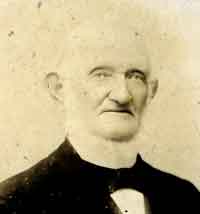
1822–1909
The Kilrane emigrant of 1844 who landed with £1, dug ditches at Chascomús and died owning two estancias: the arc of the sheep boom in one life.
1839–1923
The benefactor who gave the Irish saints' altars to Luján basilica and built a hospital, a chapel and a school at San Antonio de Areco.
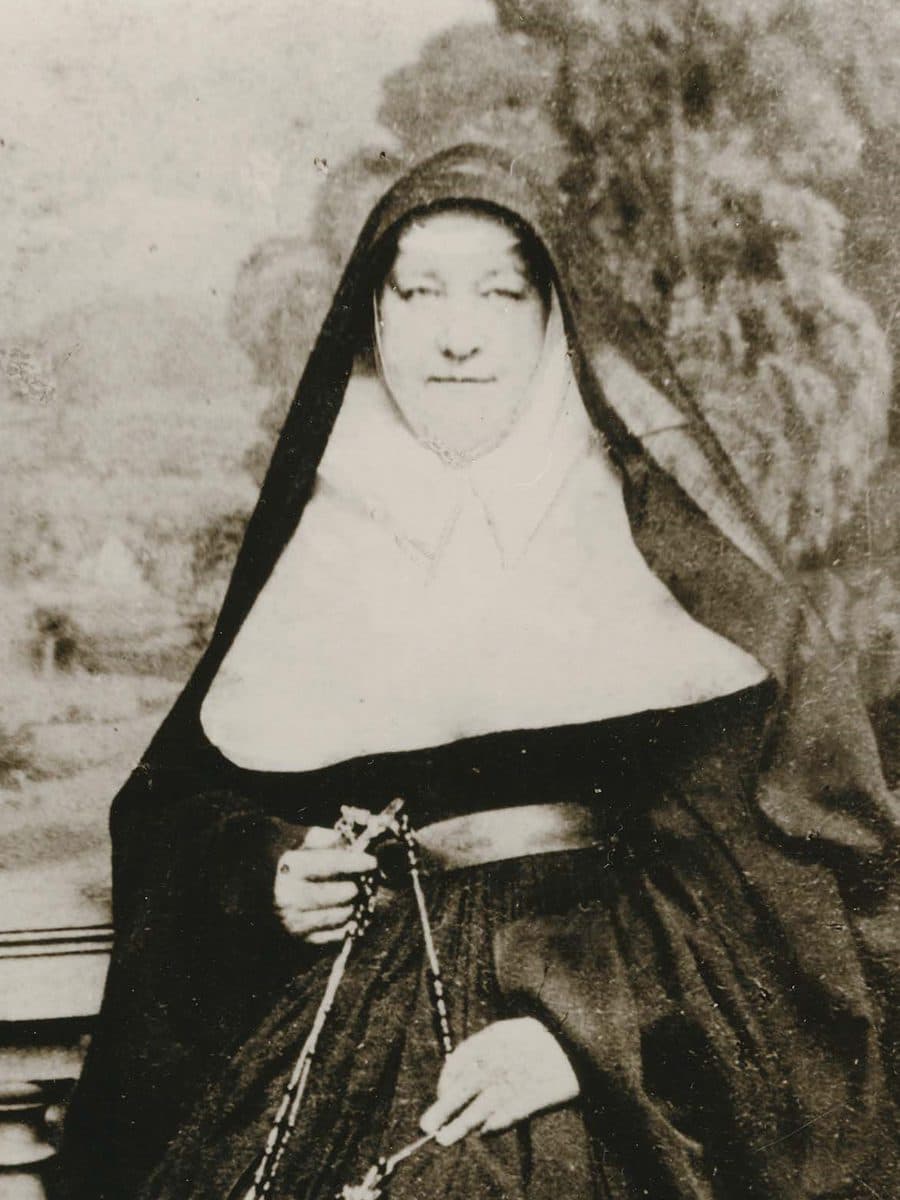
1822–1885
The Dublin-born Sister of Mercy who led the first Irish nuns to Buenos Aires in 1856 and ran the Irish Hospital, a school and an orphanage until the community left for Adelaide in 1880.
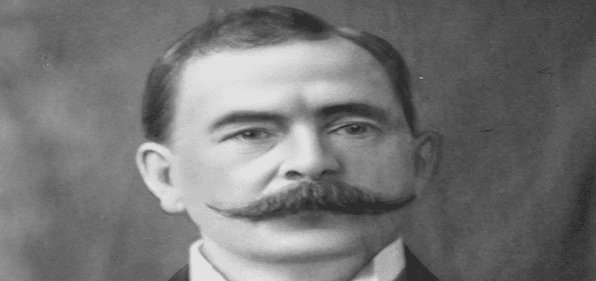
early 1860s–1910
Offaly-born writer who went to the pampas as a young man, rose from contributor to owner-editor of The Southern Cross as 'Che Buono', and wrote Rambles in Eirinn (1907).
Era 3 · 1844–1891
Fr Fahy's chaplaincy, the Irish press, the City of Dresden affair and the institutions that outlived it.
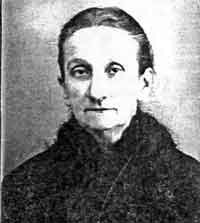
1869–1941
The Dublin-born headmistress who founded the Colegio Inglés of San Martín in 1894, open to pupils of any origin or religion and later renamed San Patricio.
–1922
Travel writer and wife of Michael George Mulhall, whose books on Paraguay, Mato Grosso and the pampas are read as an Irish woman's voice from 1870s and 1880s Argentina.
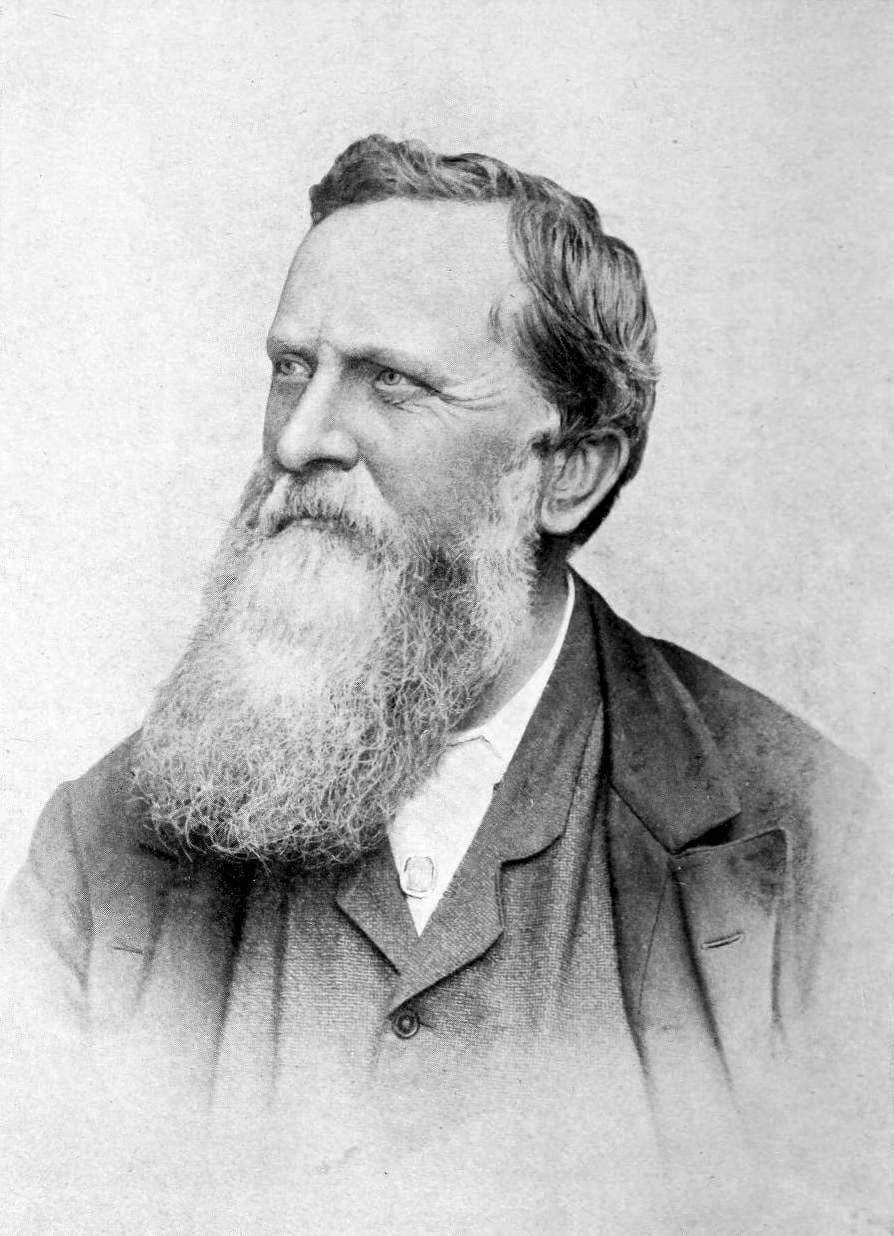
1836–1900
Dublin-born co-founder of The Standard (1861), South America's first English-language daily, and author of the Handbook of the River Plate and later statistical works.
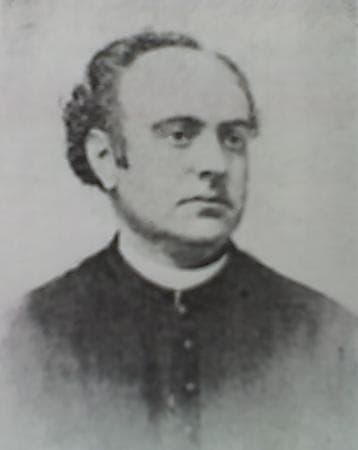
1841 or 1842–1889
Fahy's successor as Irish chaplain, who founded The Southern Cross in 1875 and sat in the Buenos Aires legislature and the national Senate.
Era 4 · 1916–1989
Bulfin's flag, diplomatic relations, the dictatorship's victims and the war of 1982.
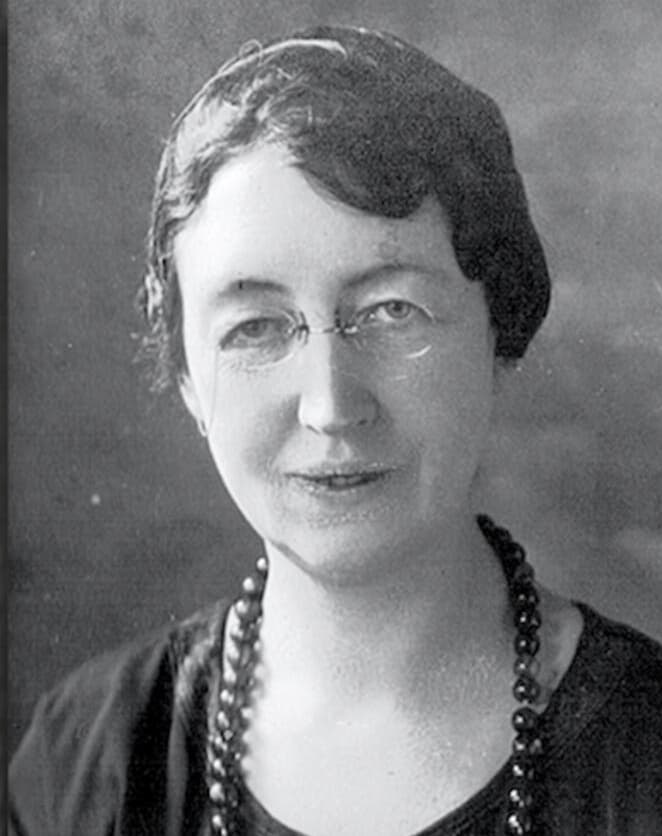
1882–1967
Born at Kilbride near Mullingar, she was her husband Laurence's partner in the 1921–22 Dáil mission to Argentina, where her Spanish was a key asset.
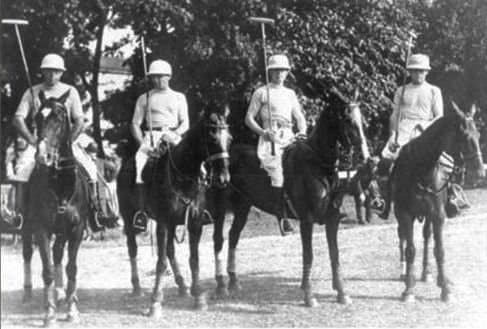 Team photograph, 1924
1888
A member of the polo team that won Argentina's first Olympic gold in 1924; the Copa Arturo Kenny is played at Venado Tuerto each year.
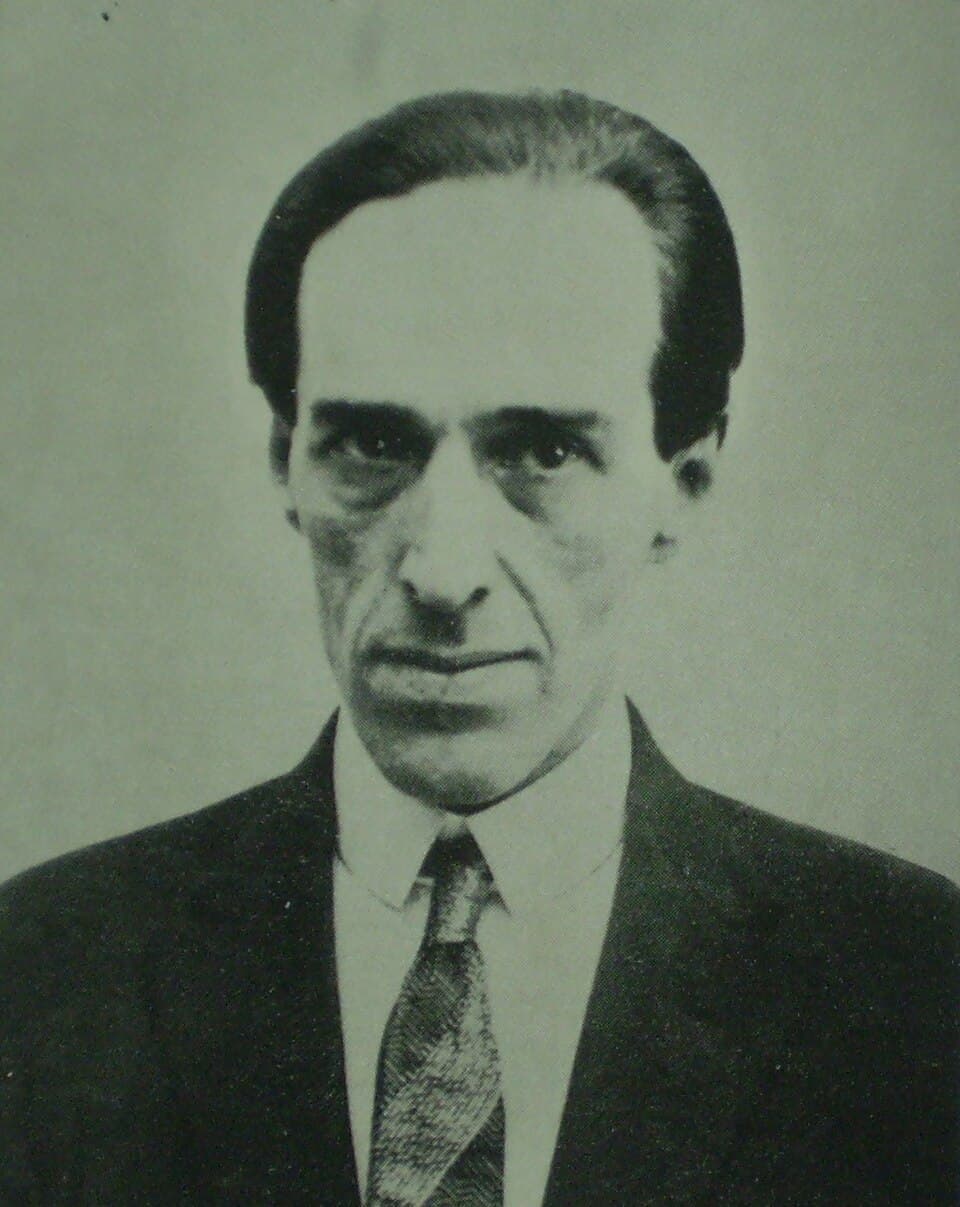
early 1880s–1951
Novelist of gaucho life, born in La Plata in the early 1880s, of documented descent from Patrick Lynch of Co. Galway; author of Los caranchos de la Florida and El inglés de los güesos.
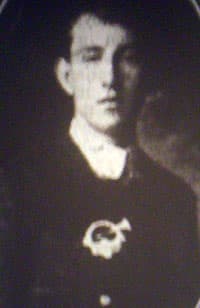
1892–1968
Born in Argentina to William Bulfin, he raised a flag over the GPO in 1916, was deported to Buenos Aires and became the Irish Republic's first representative there in 1919.
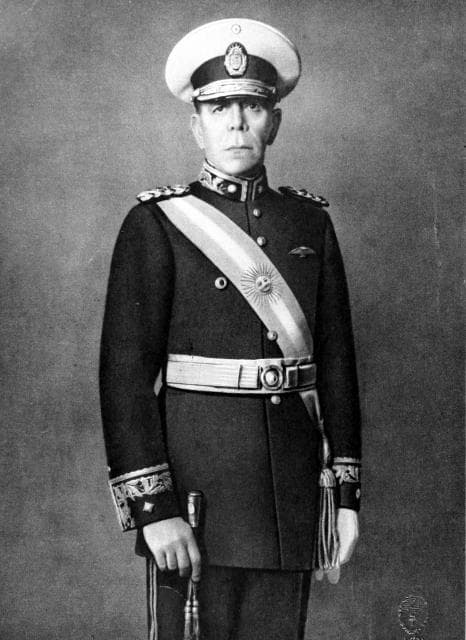
1887–1980
Army officer and president of Argentina in 1944–46, the grandson of Matthew Farrell of Co. Longford, in whose government Perón rose to power.
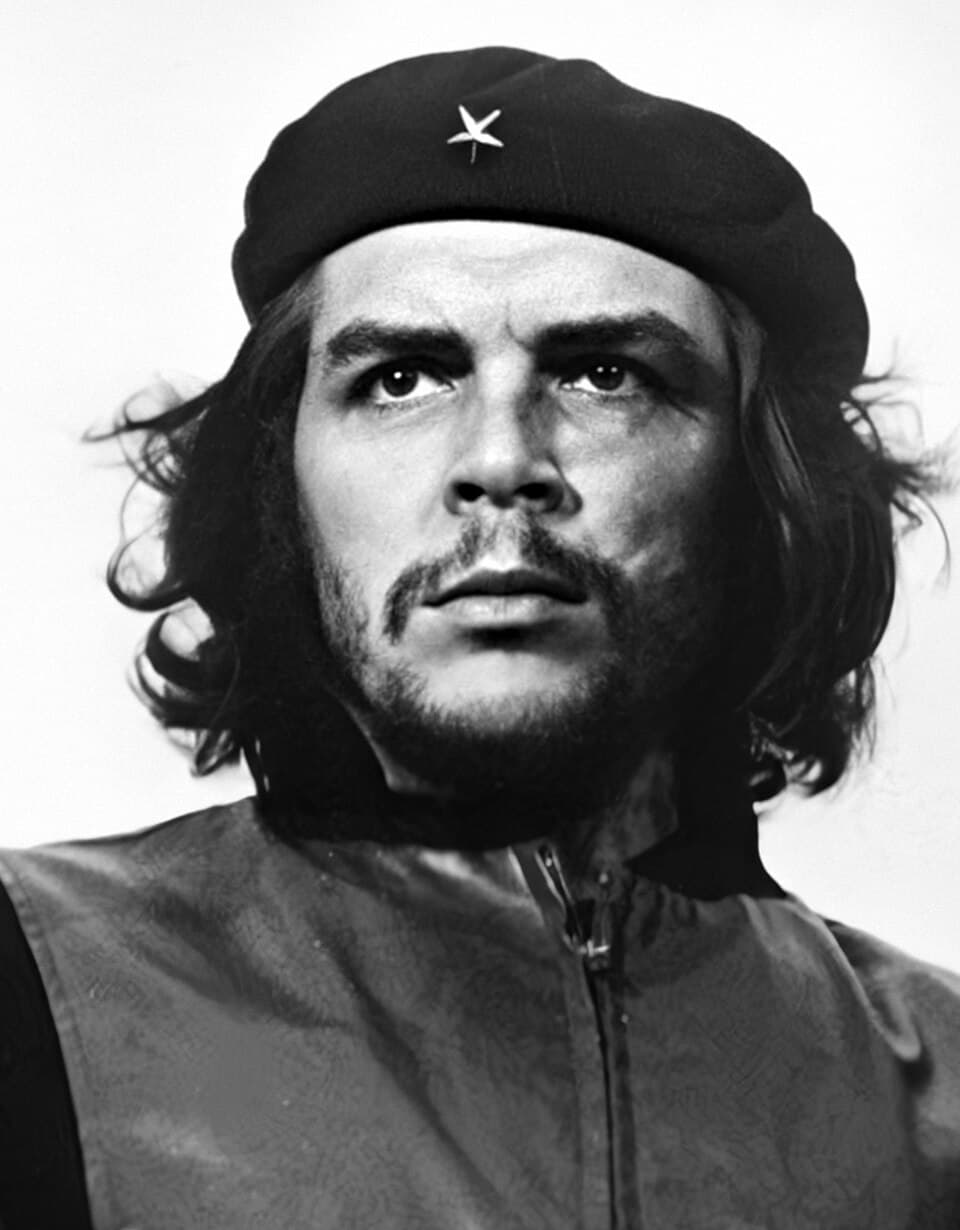
1928–1967
Rosario-born revolutionary with documented but remote descent from Patrick Lynch of Co. Galway; Ireland's claims on him, from a Kilkee plaque to a 2017 stamp, are contested.
1914–1997
The Rojas-born Passionist priest, of Westmeath and Longford stock, credited as a precursor of Argentina's Irish-Celtic music movement.
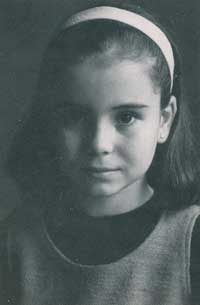
1954
Short-story writer of Wexford and Offaly descent whose book Pico de paloma appeared in April 1977, weeks before she was abducted and taken to the ESMA, where she was killed.
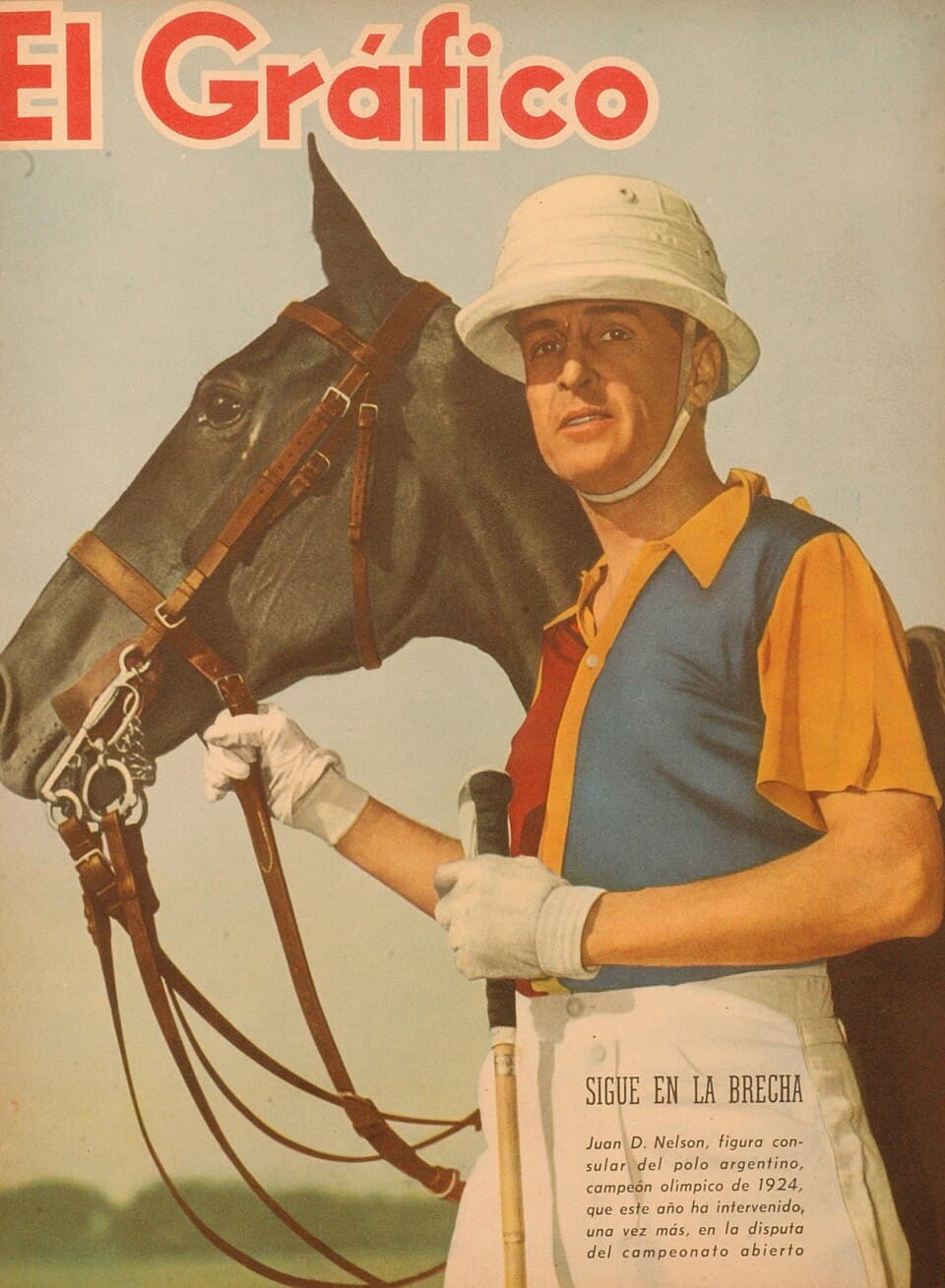
1891–1983
Captain of the Argentine polo team of 1924, who scored the winning goal in the final that brought the country its first Olympic gold.
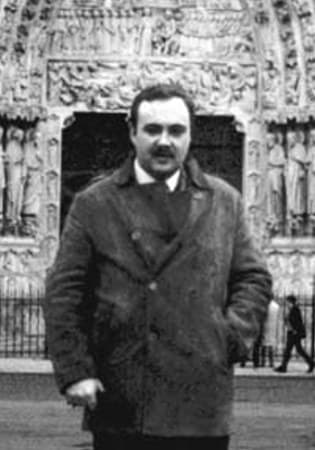
1940–1973
Secretary-general of the far-right group Tacuara who later moved to the revolutionary left; from an Anglo-Irish Protestant family and killed in an air crash near Paris in 1973.
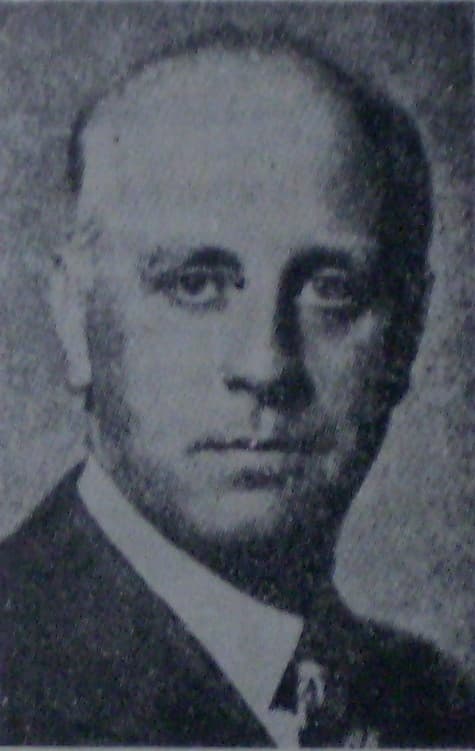
1893–1960s
The Buenos Aires paediatrician of Westmeath descent whose name the national children's hospital has carried since 1979.
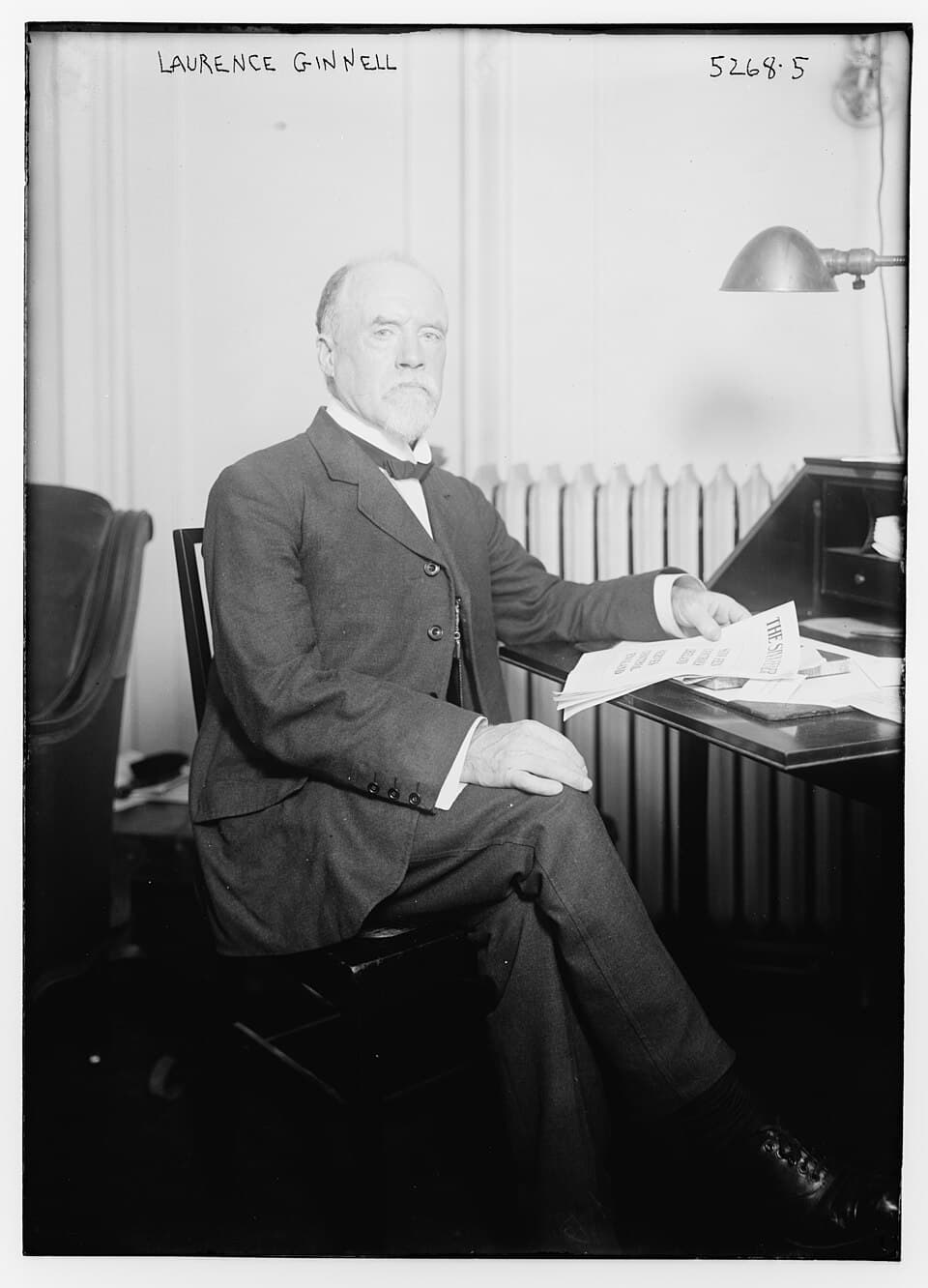
1852–1923
Westmeath TD sent by de Valera as the Dáil's envoy to South America in 1921; his Buenos Aires mission launched a loan, won provincial attention and foundered after the Treaty.
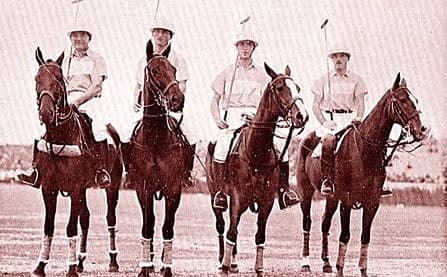 Team photograph, 1936
1906–1987
The 1936 Olympic polo gold medallist from the Duggan family of Ballymahon, wool brokers and landowners behind the town of Duggan.
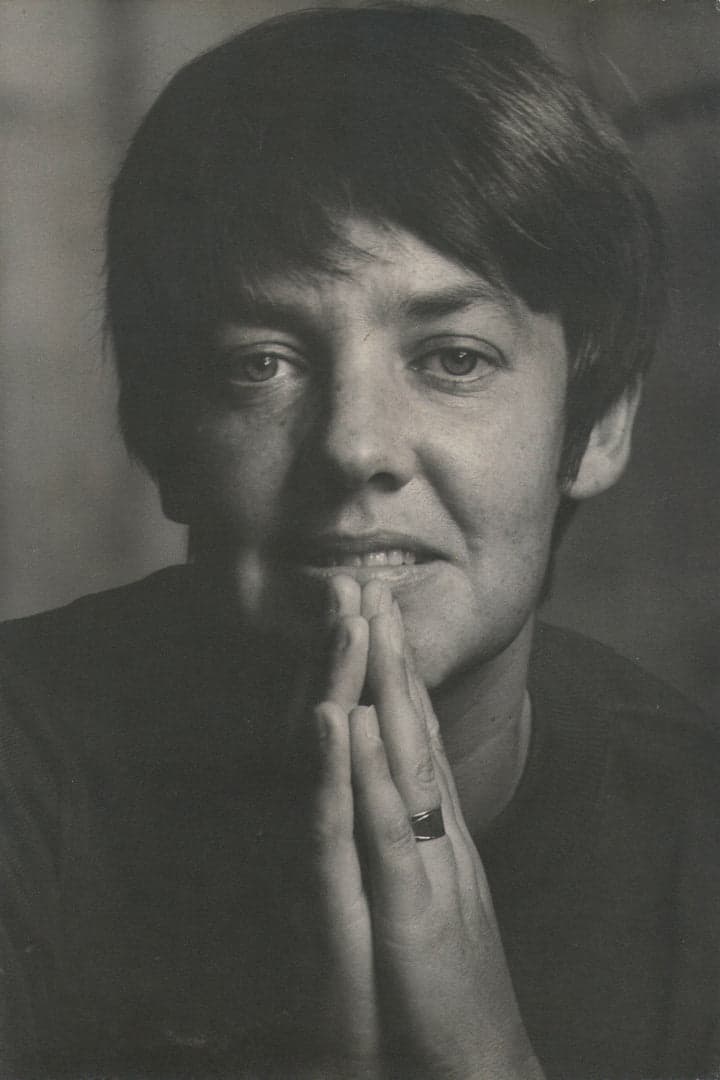
1930–2011
Poet, songwriter and children's author of Manuelita and El reino del revés, of reported Irish descent on her father's side; later a member of the Council for the Consolidation of Democracy.
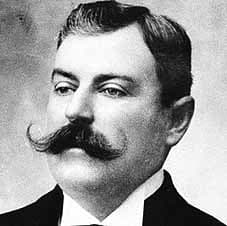
1872–1949
A Chascomús estancia family's son, recorded by SILAS as a family murderer sentenced to life in 1923: a dark entry kept for completeness.
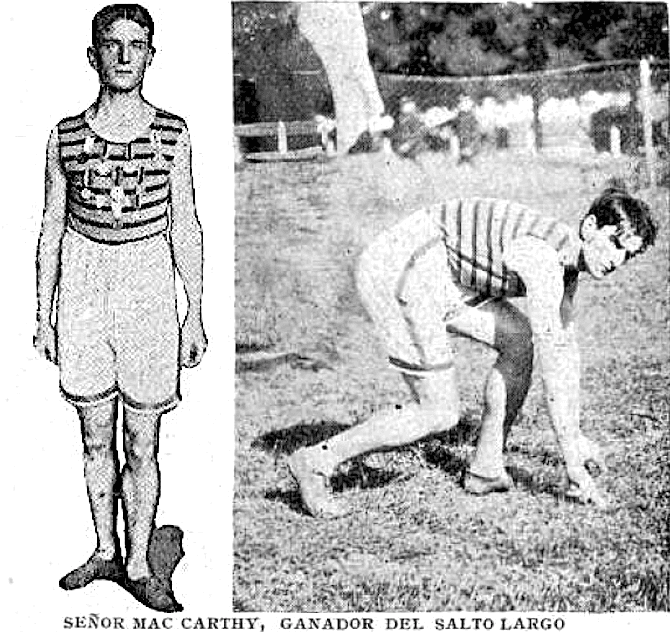
1871–1963
The Cashel-born teacher who arrived in 1900, coached boxers while the sport was unlawful and taught football at Lobos and Estudiantes.
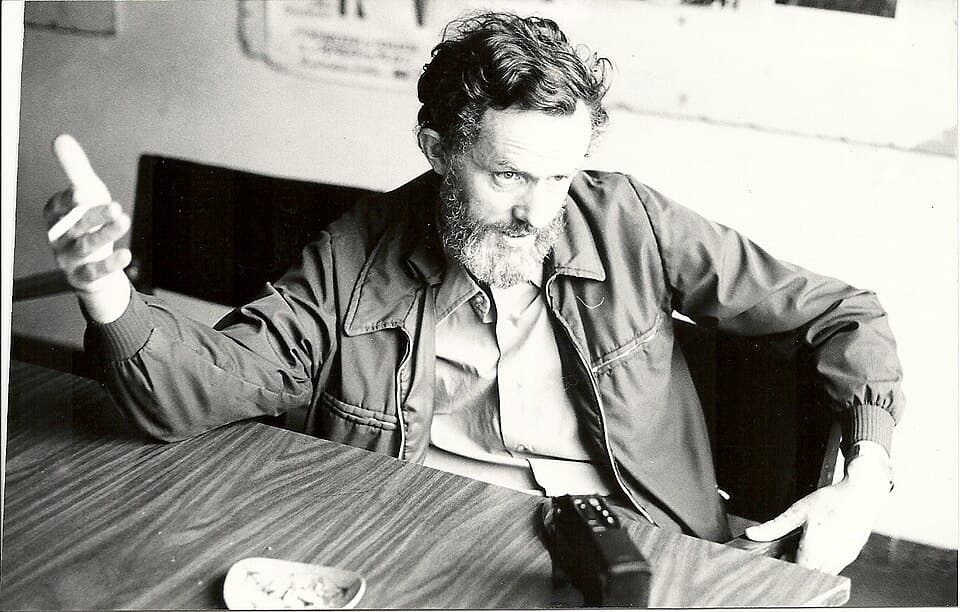
1945–2010
A Fermoy-born priest who lived in a Buenos Aires shanty town, was abducted and tortured in October 1976, survived with the Irish Embassy's help and spent the rest of his life on human rights.
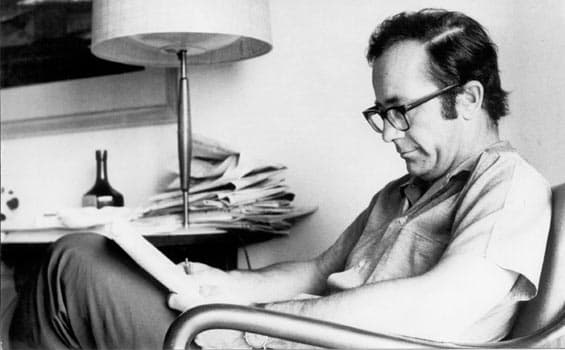
1927–disappeared 25 March 1977
Writer and investigative journalist of Irish descent, schooled at the Instituto Fahy, author of Operación Masacre and the Irish stories; shot and disappeared by an ESMA task group in March 1977.
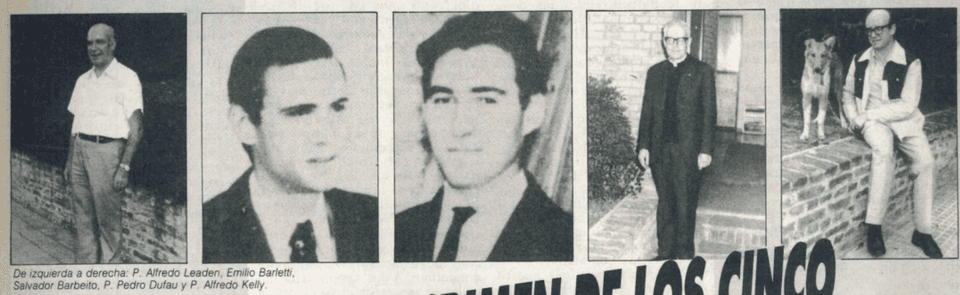 The five, El Periodista, 1985
–1976
Three Pallottine priests and two seminarians killed at St Patrick's, Belgrano, on 4 July 1976; the order came from Ireland, the case is unresolved and a canonisation cause is open.
Era 5 · 1990–2027
State visits, working holidays, Gaelic games revived, and Brown at 250.
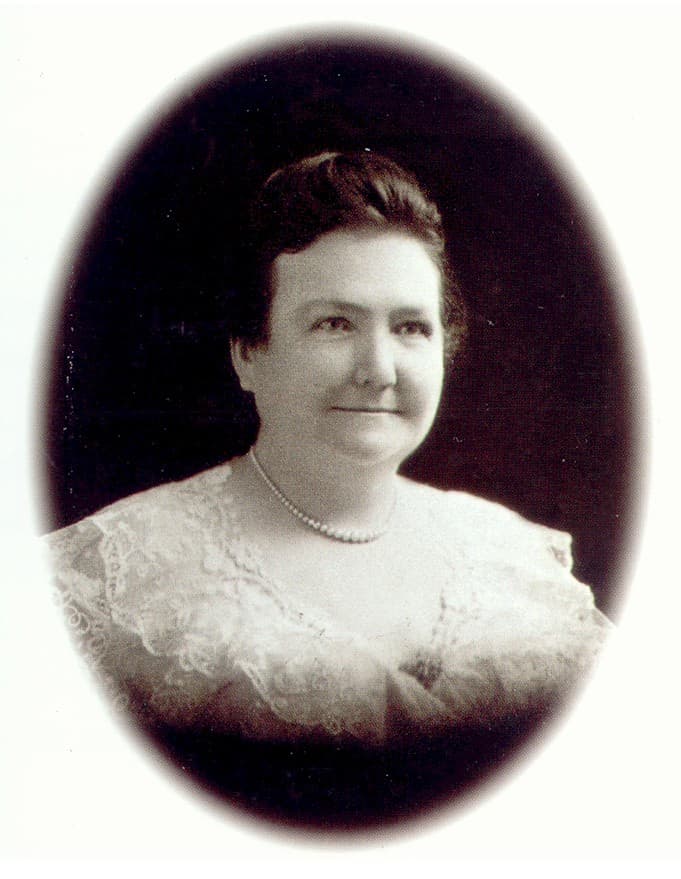
The first woman in Argentina to qualify as a doctor, with an Irish mother; an Irish Fellows award for Argentine, Bolivian and Paraguayan applicants carries her name.
Short lists that tell one story each.
A grade is never raised by inference, and a surname alone is not evidence. Living people are shown by their public role only.
Where next
A person opens onto their era, the places they knew and the record that remembers them.