Skip to content

Five centuries

Ireland and Argentina,year by year

From Magellan's crews to Admiral Brown's 250th birthday in 2027: every dated event, with its source, how sure we are, and where the accounts disagree.

98 dated events in five eras

  1. 11520–1828
  2. 21826–1889
  3. 31844–1891
  4. 41916–1989
  5. 51990–2027

Two nations, one ocean, a shared story.

Show

Era 1 · 1520–1828

Spanish subjects, stranded soldiers and a Mayo admiral

Irish names in the viceroyalty, soldiers who stayed after 1806, and William Brown's navy.

Read about this era
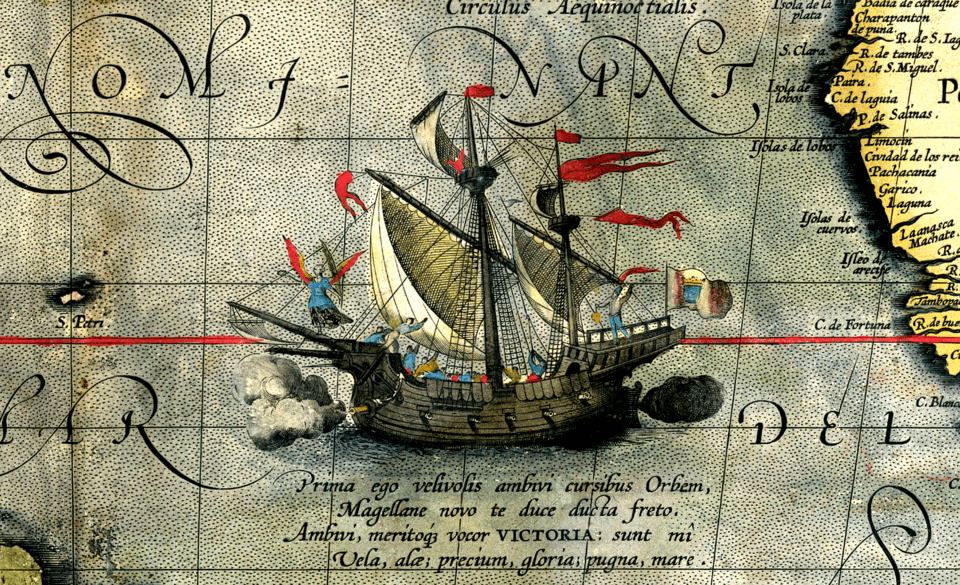
  1. A sailing ship drawn on a map of 1590 by Ortelius

    reported

    Two Galway ship's boys with Magellan are said to serve at the first Mass on Argentine soil

    McKenna, citing Boyd-Bowman's index of sixteenth-century settlers, records two Galway brothers, William and John, as ship's boys on Magellan's Trinidad and says they served at the first Mass on Argentine soil, at the mouth of the Santa Cruz river, on 1 April 1520.

    • Argentina
    • Migration
    • Church
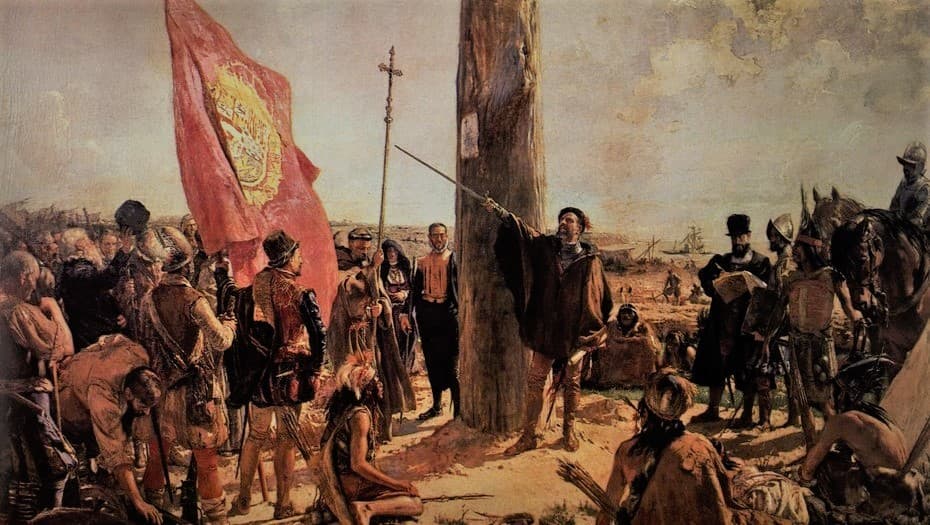
  2. José Moreno Carbonero's painting of the founding of Buenos Aires

    reported

    The Irish-descended Farrell brothers sail with Pedro de Mendoza, who first founds Buenos Aires

    McKenna, citing Lafuente Machain, records the brothers John and Thomas Farel on Mendoza's 1535–36 expedition; he calls them natives of Sanlúcar de Barrameda in Spain, so they were of Irish descent rather than Irish-born.

    • Argentina
    • Migration
  3. reported

    Fr Thomas Field of Limerick, set adrift by privateers, reaches Buenos Aires

    Search summaries of the Irish Jesuit Archives and Wikipedia say English privateers captured the Limerick Jesuit in 1586 and set him adrift in an open boat, which reached Buenos Aires; he went overland to Córdoba and then Paraguay. Neither page has yet been read in full.

    • Argentina
    • Church
    • Migration
  4. reported

    Dr Michael O'Gorman of Ennis sails for Buenos Aires

    McKenna says the Ennis-born physician, trained in France and Spain, left Spain for Buenos Aires in 1777 under a royal order and stayed until his death in 1819; Murray's SILAS entry calls him a physician in the Spanish viceroyalty.

    • Argentina
    • Migration
    Where sources disagree

    Where sources disagree

    1. Dr Michael O'Gorman's birth year

      We say: Born in Ennis, Co. Clare, in the mid-eighteenth century.

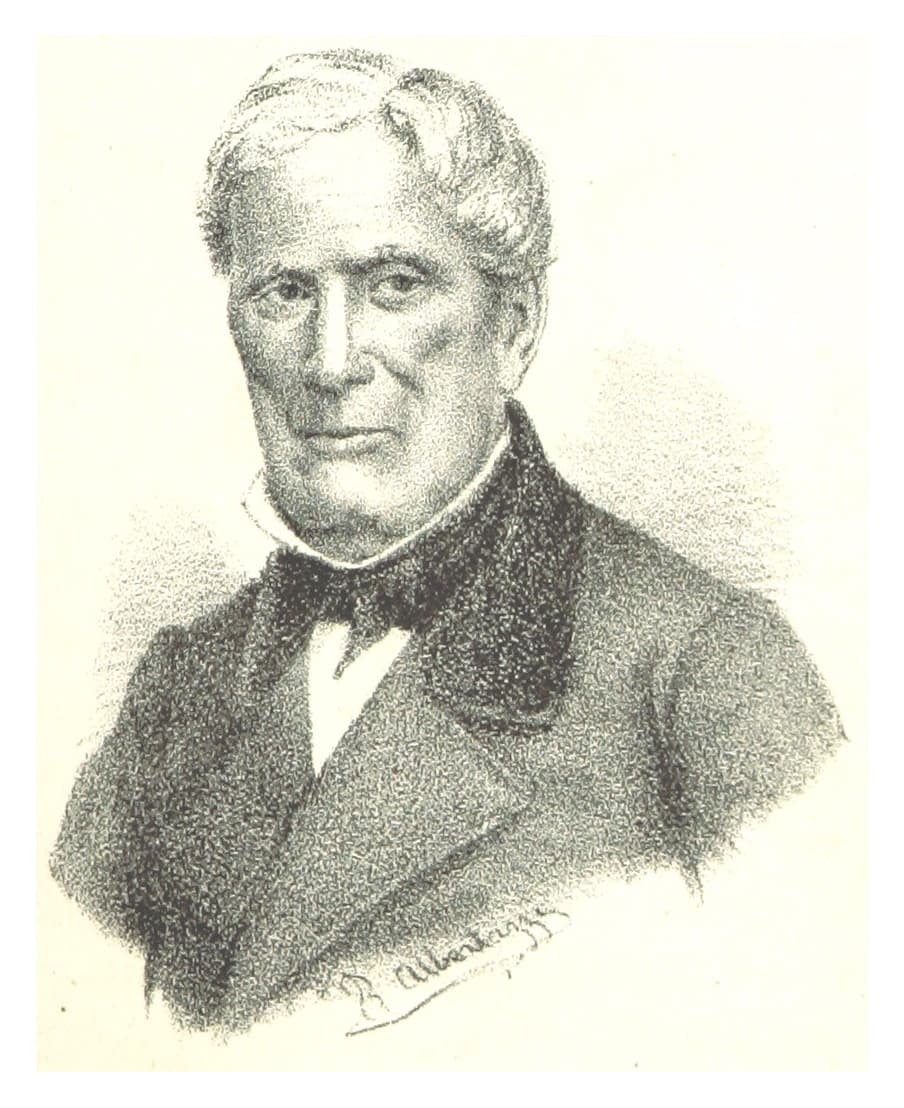
  5. An engraved portrait of Admiral William Brown

    reported

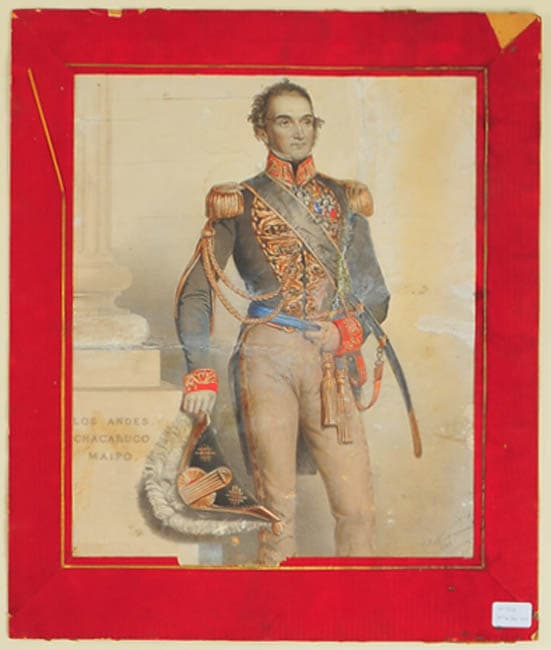
    William Brown is born at Foxford, Co. Mayo

    The Argentine Navy's biography gives 22 June 1777 in Foxford; the date rests on Brown's own testimony.

    • Ireland
    • Navy and wars
    Where sources disagree

    Where sources disagree

    1. Whether any document records the birth date

      We say: We give the Navy's date and say it is reported, not recorded.

    2. Brown's family origins

      We say: Present both, attributed: the Argentine Navy's account, then his Irish biographer's.

  6. reported

    O'Gorman helps create the Protomedicato

    An Argentine medical-history editorial says O'Gorman, already in Buenos Aires, promoted the creation of the Protomedicato of the Río de la Plata, the body that licensed and examined doctors, surgeons and pharmacists, with Viceroy Vértiz in 1780 under royal authorisation.

    • Argentina
    • Culture
    Where sources disagree

    Where sources disagree

    1. Protomedicato and medical school dates

      We say: Helped create the Protomedicato around 1780 and the city's first medical teaching.

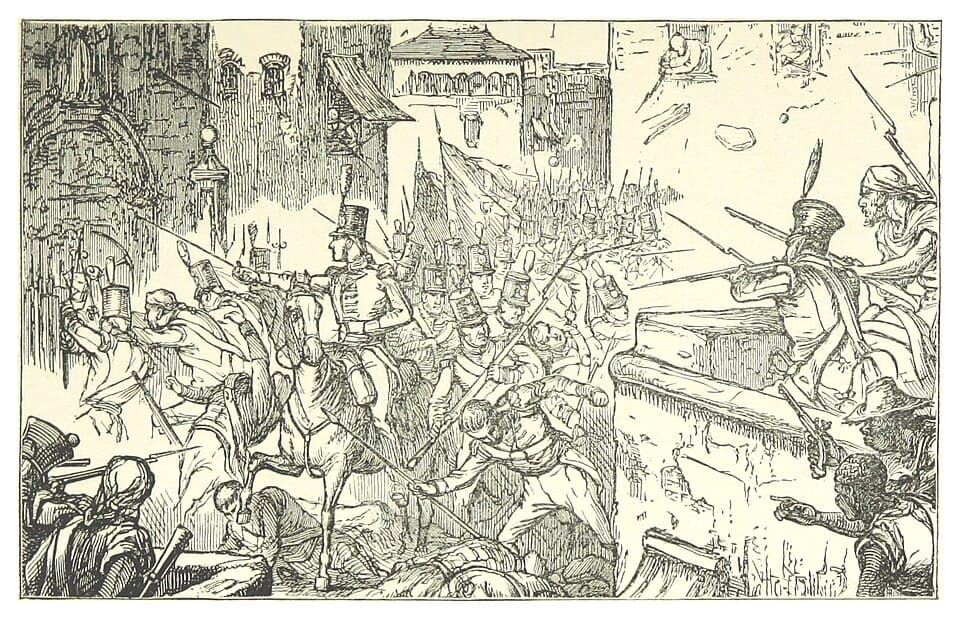
  7. An engraving of the British attack on Buenos Aires

    reported

    The British invasions: prisoners are sent inland, and Irish Catholic soldiers are among those who stay

    After the 1806 defeat the prisoners were sent to Córdoba, Mendoza, Tucumán, San Juan and other provinces; in Córdoba twelve petitioned to remain as Spanish subjects, and those who stayed swore loyalty to the king and were baptised if not already Catholic (Giuffré 2024).

    • Argentina
    • Navy and wars
    • Migration
    Where sources disagree

    Where sources disagree

    1. Irish leaders of the 1806 invasion

      We say: Beresford and Pack were Irish-born (Giuffré 2024).

    2. The 88th Regiment and the flints in 1807

      We say: The 88th surrendered in the street fighting of July 1807; never use the 800 figure.

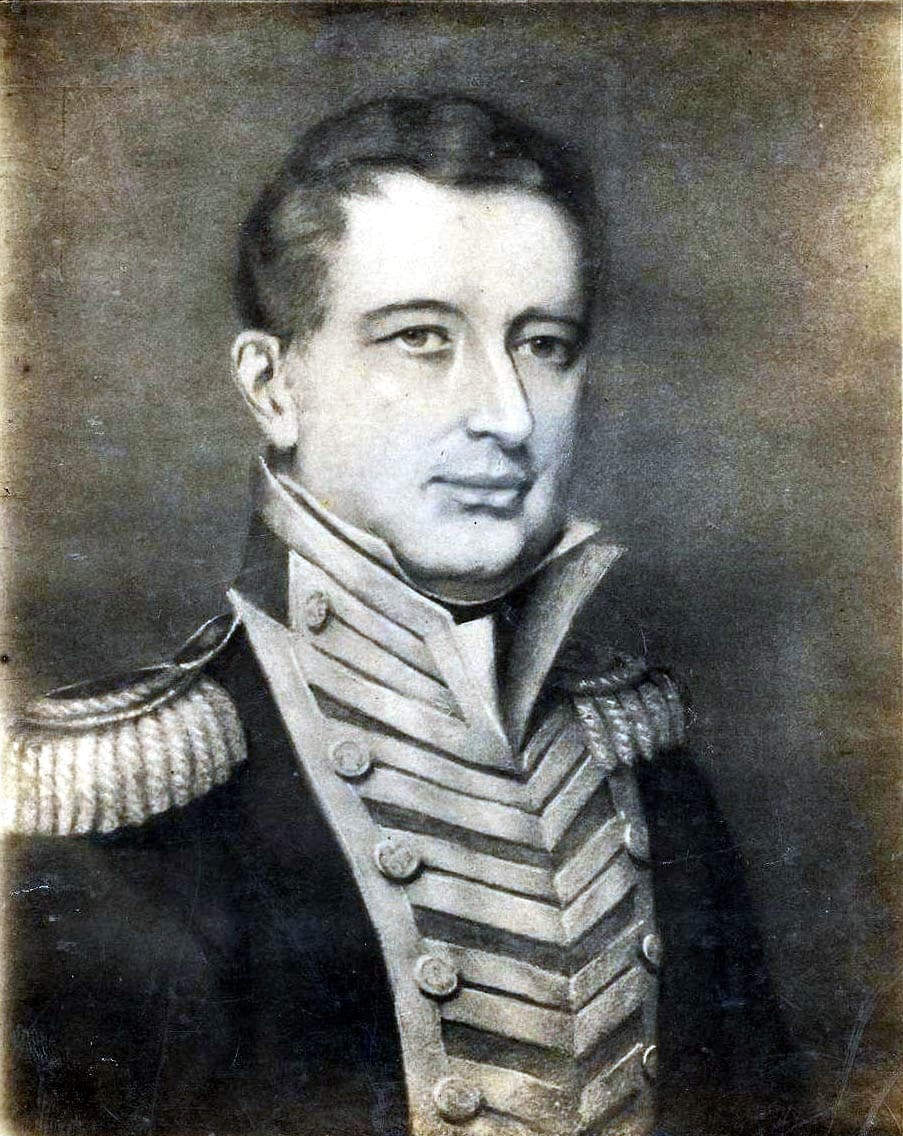
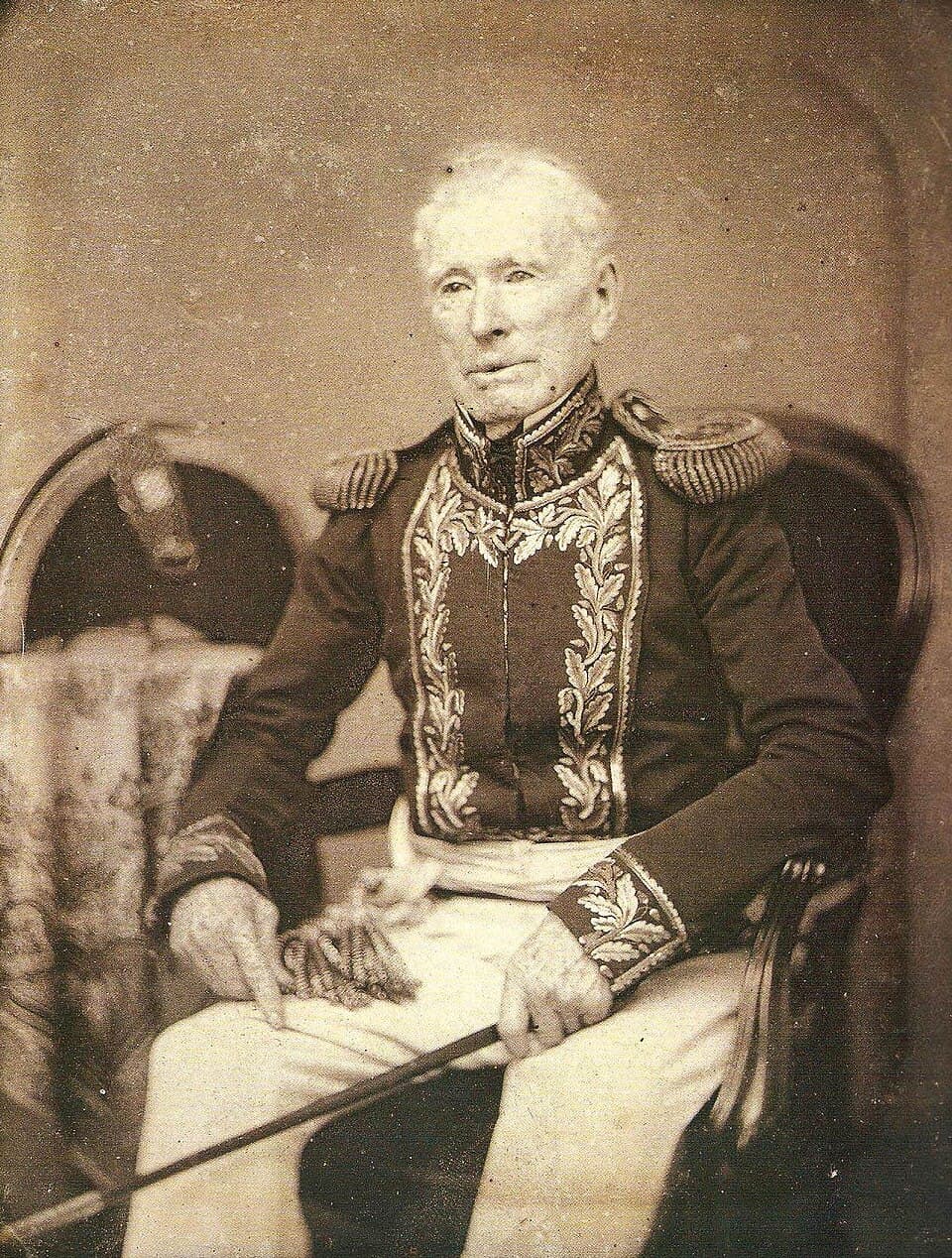
  8. A portrait of William Brown in naval uniform

    reported

    Brown reaches the River Plate

    The Argentine Navy says Brown traded from Montevideo from late 1809 and reached Buenos Aires on 18 April 1810 in his own frigate Jane; de Courcy Ireland gives 1811 aboard a captured privateer, and Mayo County Library a first visit in 1809 and a return in 1811.

    • Argentina
    • Navy and wars
    • Migration
    Where sources disagree

    Where sources disagree

    1. Brown's arrival in the River Plate

      We say: Arrived around 1810.

  9. reported

    John Thomond O'Brien arrives in Buenos Aires as a merchant

    Murray's SILAS entry says O'Brien, born in Baltinglass, Co. Wicklow, in 1786, came to Buenos Aires in 1812 to open a merchant house and then joined the army; Fanning's biography has him emigrating in the 1810s to profit from the textile trade.

    • Argentina
    • Migration
    • Navy and wars
    Where sources disagree

    Where sources disagree

    1. O'Brien's birthplace

      We say: Baltinglass, Co. Wicklow (1786), per Murray and Fanning.

    2. O'Brien's arrival and enlistment

      We say: Arrived in the 1810s as a merchant.

  10. Brown takes Martín García island

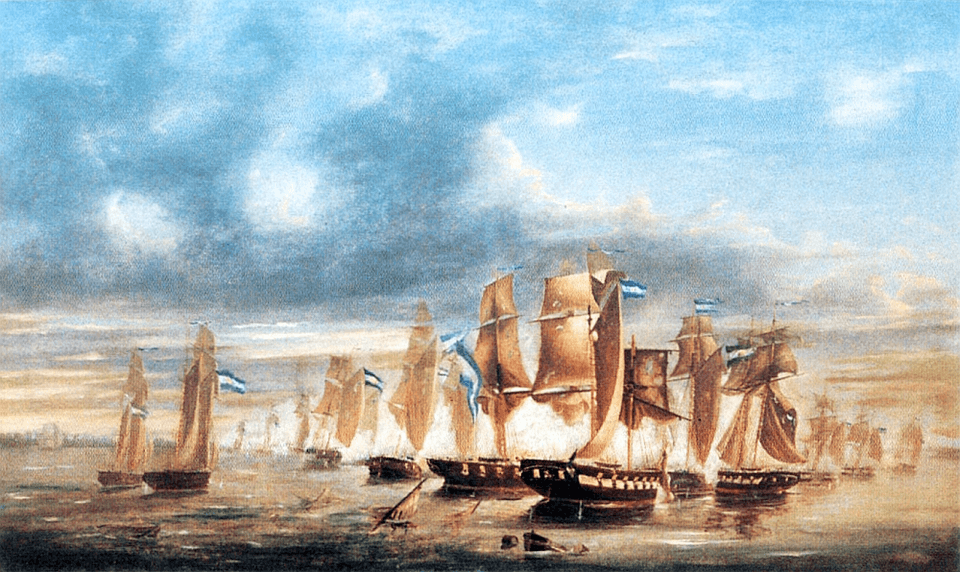
    The Navy's biography says a first attack on the island on 11 March 1814 failed and Brown renewed it on 15 March and took it; Mayo County Library says he captured it on St Patrick's Day, so we say March 1814.

    • Argentina
    • Navy and wars
    Where sources disagree

    Where sources disagree

    1. The day Martín García fell

      We say: In March 1814.

  11. A portrait of John Thomond O'Brien

    reported

    O'Brien joins San Martín's Mounted Grenadiers

    After fighting in Uruguay under General Soler, O'Brien joined San Martín's Mounted Grenadiers in 1816 and was made captain after Chacabuco and aide-de-camp to San Martín; he went on to fight at Cancha Rayada and Maipú and in the Peru campaign (Murray, SILAS).

    • Argentina
    • Navy and wars
  12. reported

    The British consul Woodbine Parish counts a little under 500 Irish

    McKenna reports Parish's figure of a little less than 500 Irish in 1824; the later figures he gives are about 1,500 in 1832, from the Irish chaplaincy, and about 3,500 before the 1842 Anglo-French intervention, while Casey gives 2,500 for 1832.

    • Argentina
    • Migration
    • Community
    Where sources disagree

    Where sources disagree

    1. Irish numbers in 1832

      We say: Give each figure with its author and year; never a single number.

  13. reported

    O'Brien and Armstrong recruit in Ireland; a Liverpool bank sends Patrick Browne to the River Plate

    In 1826 Buenos Aires figures commissioned O'Brien to recruit Irish immigrants, and two years in Ireland brought little success (Murray, SILAS); McKenna says Thomas Armstrong visited Ireland the same year, and that the Liverpool bank Dickson & Montgomery sent Patrick Browne of Forth and Bargy, Co. Wexford, out in 1826.

    • Both countries
    • Migration
    Where sources disagree

    Where sources disagree

    1. O'Brien's recruiting trip

      We say: In the late 1820s.

    2. Origin of the Westmeath chain

      We say: Organised links began with recruiting in the late 1820s.

  14. reported

    John Mooney and Patrick Bookey of Streamstown arrive

    McKenna, citing Thomas Murray (1919), names John Mooney and his son-in-law Patrick Bookey of Streamstown, Co. Westmeath, as the first recorded nineteenth-century Irish emigrants, arriving in 1827, and says they became the most important employers of Irish labour in their meat-salting works.

    • Argentina
    • Migration
    • Land and the camp
    Where sources disagree

    Where sources disagree

    1. John Mooney's arrival

      We say: In the late 1820s.

Era 2 · 1826–1889

Midlands and Wexford shepherds make the pampas Irish

Emigration chains from Westmeath, Longford and Wexford, the sheep boom and life in the camp.

Read about this era
  1. reported

    Fr Patrick Moran arrives as Irish chaplain

    Casey says the Irish asked Dublin for chaplains, that Fr Patrick Moran came in 1829 and died a year later, and that Fr Patrick O'Gorman followed; on 22 February 1829 Moran wrote that this was the country for the Irish farmer to emigrate to (McKenna).

    • Argentina
    • Church
    Where sources disagree

    Where sources disagree

    1. The first Irish chaplains

      We say: Irish chaplains served from the 1820s.

  2. reported

    Irish shepherds spread across the Chascomús and Salado frontier

    In McKenna's account the first large movement into the countryside came around 1830, to the Chascomús area and north-west along the Salado river; shepherds moved with their flocks rather than settling, and by the 1840s small, mobile, mostly male Irish communities had formed there.

    • Argentina
    • Land and the camp
    • Migration
  3. reported

    Patrick Island, a prisoner of 1806 who stayed, is shot as a unitario in Catamarca

    Island, of the 71st Highlanders, had married Bartola Gómez y Farías and been alcalde of San Antonio de Areco in the 1820s; a unitario, he fled after the defence of San Pedro, was found in a convent in Catamarca and shot on 6 April 1841, leaving nine Argentine children (Giuffré 2024).

    • Argentina
    • Navy and wars
    • Community
  4. reported

    John Murphy of Kilrane reaches the River Plate on the brig William Peile

    Murphy, born in 1822 at Haysland, Kilrane, Co. Wexford, left home on 13 April, took a cart to Wexford and a boat to Liverpool, sailed on 21 April with 115 Irish emigrants, was becalmed for about three weeks and landed with £1.

    • Both countries
    • Migration
  5. A portrait of Camila O'Gorman

    reported

    Camila O'Gorman is executed on Rosas's orders

    Camila, granddaughter of the merchant Thomas O'Gorman, left Buenos Aires with the priest Ladislao Gutiérrez on 12 December 1847; they were recognised at Goya in June 1848, and on 18 August 1848 both were shot at Santos Lugares, Camila aged about 20 and pregnant (Murray, SILAS; Gálvez, La Nación).

    • Argentina
    • Church
    • Community
    Where sources disagree

    Where sources disagree

    1. Camila O'Gorman's age and place of death

      We say: Executed on Rosas's orders on 18 August 1848, aged about 20, with the priest Ladislao Gutiérrez.

    2. The Irish role in Camila's arrest and sentence

      We say: According to the historians Murray and Casey, Fahy backed the sentence; an Irish priest is said to have recognised the couple (do not name him).

Era 3 · 1844–1891

Priests, papers and a disastrous ship

Fr Fahy's chaplaincy, the Irish press, the City of Dresden affair and the institutions that outlived it.

Read about this era
  1. An engraved portrait of Fr Anthony Fahy

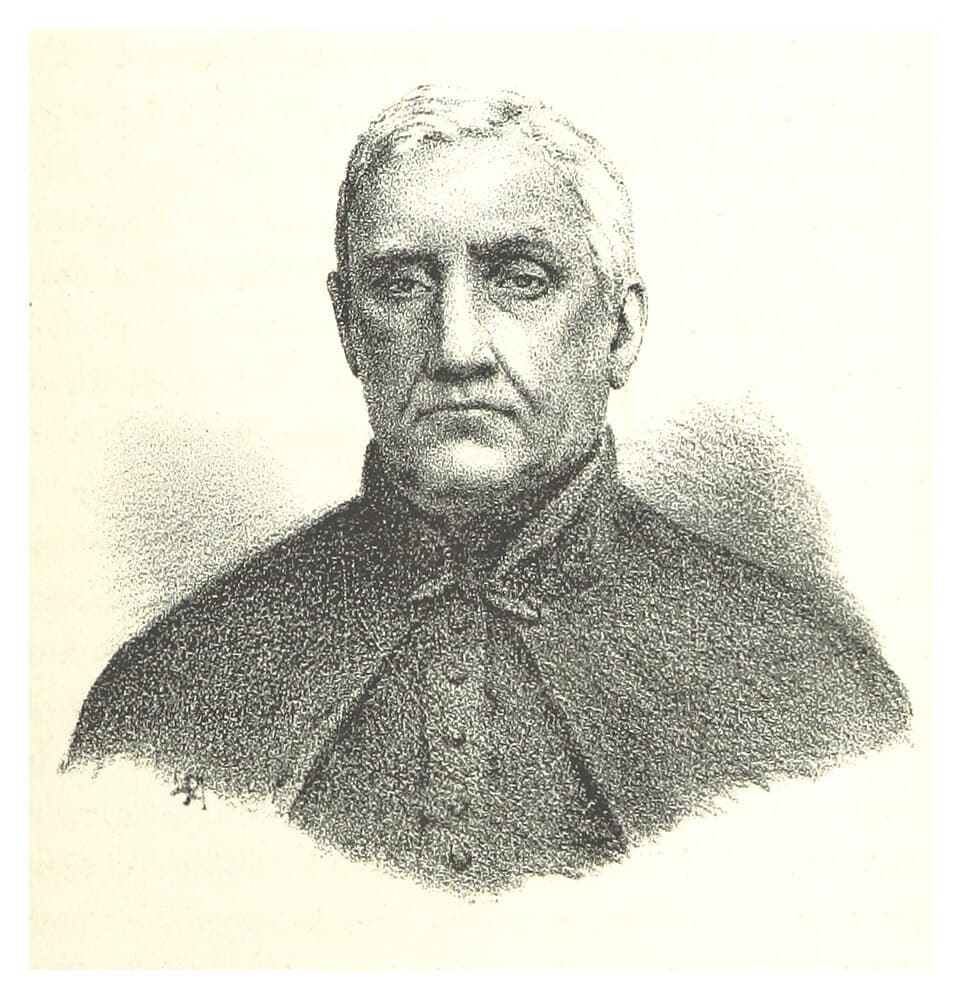
    Fr Anthony Fahy lands at Buenos Aires as chaplain to the Irish

    The British Packet of 20 January 1844 recorded the arrival on 11 January of the brig Plata from Liverpool, carrying Rev. Mr Fay, appointed by the Archbishop of Dublin as chaplain to the Irish Catholics, then put at 3,500; it was his 39th birthday (Casey 2021).

    • Argentina
    • Church
    • Community
    Where sources disagree

    Where sources disagree

    1. Fahy's arrival

      We say: Appointed in 1843; landed on 11 January 1844.

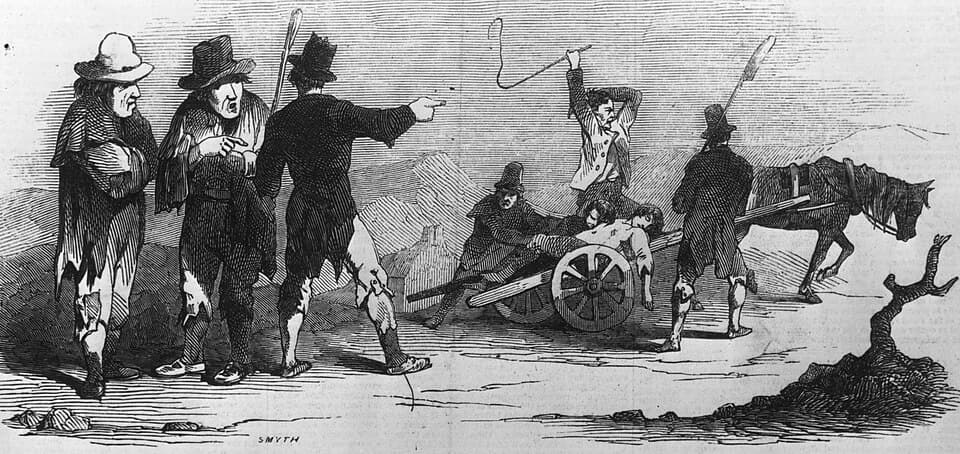
  2. An engraving of a funeral at Skibbereen during the Famine

    reported

    Fahy's committee sends Famine relief from Buenos Aires

    Fahy formed a committee of Bartolomé Foley, Patricio Bookey, Santiago McDonnell, Guillermo Lennon and Juan McKiernan, and a letter of 15 June 1847 to the Archbishop of Dublin went with the money, urging sober, industrious farm workers to come to Argentina (Casey); McKenna says over £400 was sent.

    • Both countries
    • Church
    • Community
    Where sources disagree

    Where sources disagree

    1. The size of the 1847 Famine fund

      We say: More than £400.

  3. reported

    The Sisters of Mercy arrive in Buenos Aires

    Fr Fahy secured the sisters through his own sister, prioress of the Carmelite convent in Loughrea; from 1857 they ran a school for Irish girls on Riobamba Street, and they left Argentina in February 1880.
    • Argentina
    • Church
    Where sources disagree

    Where sources disagree

    1. How many sisters came in 1856

      We say: A group of Sisters of Mercy arrived on 24 February 1856.

  4. A portrait of Edward Mulhall

    reported

    The Standard publishes its first issue

    Founded by the Mulhall brothers, recent emigrants from Dublin, it became South America's first English-language daily; its opening editorial held that people of all the British Isles shared one tongue, and it ran until 1959.

    • Argentina
    • Press and letters
    Where sources disagree

    Where sources disagree

    1. Who founded The Standard

      We say: Founded by the Mulhall brothers.

  5. A photograph of Fr Patrick Joseph Dillon

    reported

    The Southern Cross publishes its first issue

    Fr Patrick Joseph Dillon announced the paper by circular in November 1874 and produced it in The Standard's office, promising a liberal tone modelled on Dublin's Freeman and no attachment to any Argentine party.

    • Argentina
    • Press and letters
    • Church
    Where sources disagree

    Where sources disagree

    1. The date of the circular announcing the paper

      We say: Announced in November 1874; first issue 16 January 1875.

  6. reported

    The General Brown Club is formed, and Archbishop Aneiros asks Rome for Irish religious

    Dillon led the formation of a club that pressed for Irish political representation, though critics noted few poor members; Archbishop Federico Aneiros wrote to Rome for Irish religious, and an Irish committee paid the Passionists in Dublin for Irish priests.

    • Argentina
    • Church
    • Community
  7. Queenstown harbour, County Cork, in the 1890s

    reported

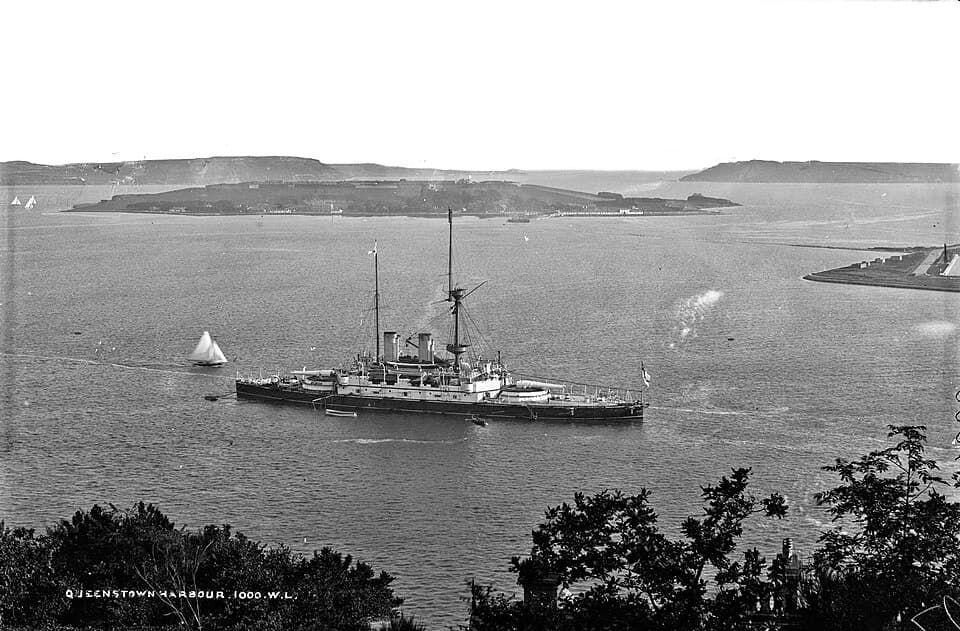
    The City of Dresden sails from Queenstown and lands about 1,800 emigrants

    Agents paid per head under a government passage scheme filled the steamer with mostly urban poor from Dublin, Cork and Limerick, promised land; they landed in mid-February to no lodging, food or work, and about 700 were sent to a colony at Napostá near Bahía Blanca.

    • Both countries
    • Migration
    Where sources disagree

    Where sources disagree

    1. How many people the City of Dresden carried

      We say: About 1,800 emigrants, most of them Irish.

    2. When the City of Dresden sailed and landed

      We say: Sailed on 25 January and landed in mid-February 1889.

  8. reported

    The Napostá colony is dissolved and the Fahy Institute is founded

    The colony of Dresden families near Bahía Blanca was dissolved in March after more than 100 deaths, mostly children, and 520 colonists walked back to Buenos Aires; on 14 May the Ladies of St Joseph's Society founded the Fahy Institute for orphan boys.

    • Argentina
    • Migration
    • Church
    Where sources disagree

    Where sources disagree

    1. When the Fahy Institute was founded

      We say: Founded in 1891 for orphan boys after the Dresden arrivals; now at Moreno.

  9. The church of Santa Brígida, Buenos Aires

    reported

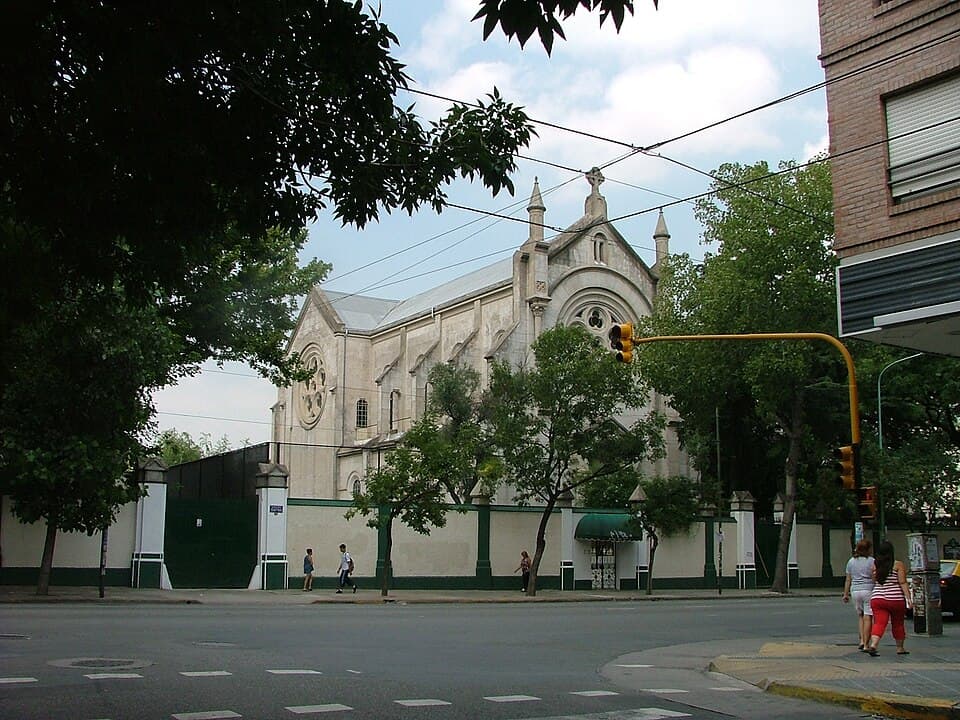
    The Irish Catholic Association opens St Bridget's (Santa Brígida)

    The association founded in 1883 opened the school on 19 March 1899, and the Sisters of Mercy, back in Buenos Aires since August 1890, took it over by the end of 1902.

    • Argentina
    • Church
    Where sources disagree

    Where sources disagree

    1. Where Santa Brígida came from

      We say: Opened in 1899 by the Irish Catholic Association.

  10. reported

    Bulfin prints hurling rules and the first organised matches are played

    William Bulfin printed hurling rules in The Southern Cross in August 1900 and helped form the Buenos Aires Hurling Club that year; King and Darby date the first match between constituted clubs, Almagro v Palermo, to 15 July 1900.

    • Argentina
    • Sport
    • Press and letters
    Where sources disagree

    Where sources disagree

    1. Hurling's first organised play in 1900

      We say: First recorded in 1887–88; organised matches from 1900.

  11. reported

    Bulfin's Rambles in Eirinn appears, and a Sinn Féin debate opens in the Review

    William Bulfin's book came out from Gill of Dublin; late in the year a proposed Buenos Aires Sinn Féin branch set off a debate in The Hiberno-Argentine Review in which a reader signing Irish-Porteño wrote that he was an Argentine and foreign politics did not interest him.

    • Both countries
    • Press and letters
    • Culture

Era 4 · 1916–1989

From the GPO roof to the 1982 rupture

Bulfin's flag, diplomatic relations, the dictatorship's victims and the war of 1982.

Read about this era
  1. The ruined General Post Office, Dublin, in 1916

    reported

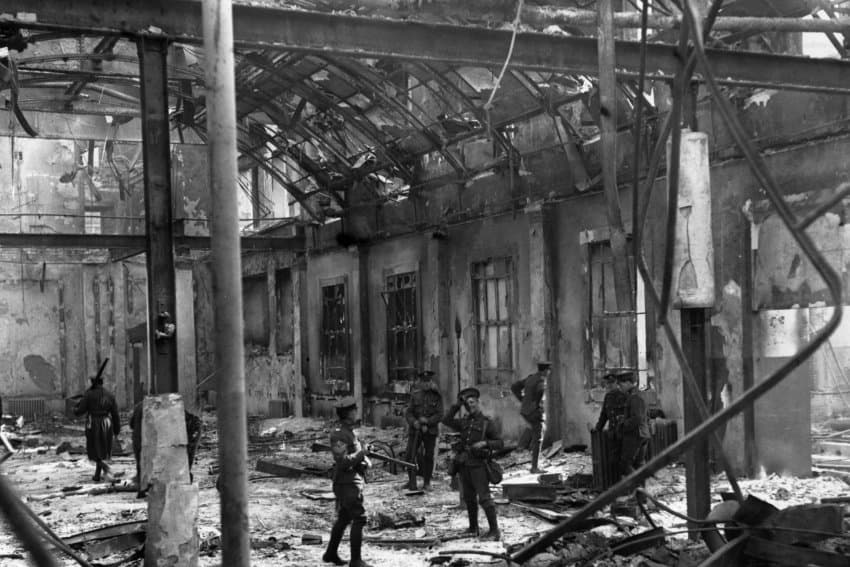
    Eamon Bulfin raises the Irish Republic flag over the GPO

    Born in Buenos Aires in 1892, Bulfin raised a green flag lettered Irish Republic, one of two flags over the GPO on 24 April 1916; he was condemned to death and reprieved, and his Argentine citizenship helped save him.

    • Both countries
    • Navy and wars
    Where sources disagree

    Where sources disagree

    1. Why Eamon Bulfin was spared after the Rising

      We say: His Argentine citizenship helped save him.

  2. A portrait of Laurence Ginnell

    reported

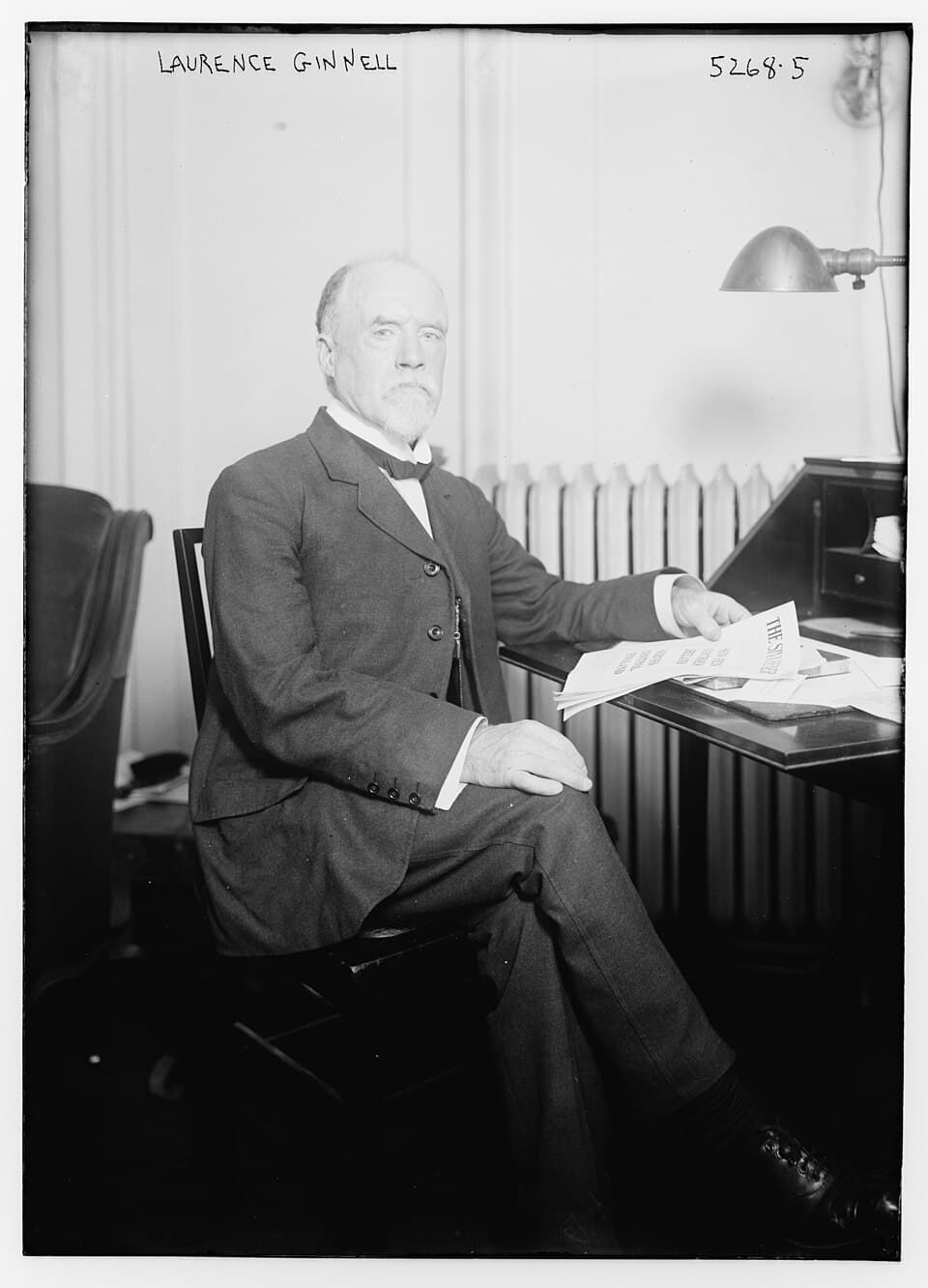
    Laurence Ginnell arrives in Buenos Aires as the Dáil's special envoy

    Ginnell arrived at the end of July 1921, during the Treaty negotiations, to raise money, step up propaganda and extend the diplomatic network in Latin America; most Buenos Aires papers treated his arrival as minor news, The Southern Cross excepted.

    • Both countries
    • Diplomacy
    • Press and letters
  3. claimed

    Argentina is said to have recognised the Irish Free State

    Argentine accounts say Argentina recognised Ireland in 1922, one of the first countries and, by their account, the first in Latin America to do so; no 1922 document of recognition has been found.

    • Both countries
    • Diplomacy
    Where sources disagree

    Where sources disagree

    1. Argentine recognition of Ireland

      We say: One of the first, and by Argentine accounts the first in Latin America.

  4. reported

    The Hurling Club dates its roots to the Irish Hurling Federation of Argentina

    The club traces its origin to August 1922, when Irish immigrants created the Federación Argentina de Hurling, by its own account; hurling was played regularly until the 1940s, when hurleys could no longer be imported.

    • Argentina
    • Sport
    • Community
    Where sources disagree

    Where sources disagree

    1. Founding of the hurling federation and the Hurling Club

      We say: The Hurling Club traces its roots to 1922, by its own account.

  5. The Argentine polo team of 1924

    reported

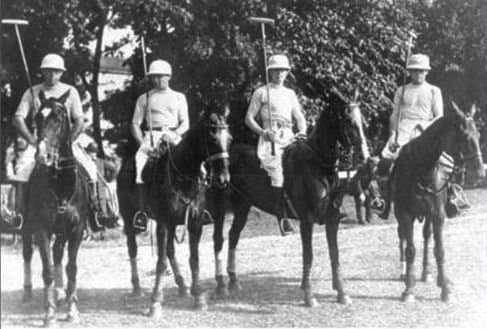
    Argentina's first Olympic gold, in polo, with Irish-Argentine players

    Arturo Kenny and the captain Jack Nelson, both of Irish descent according to Olympedia, played in the team that beat the United States 6–5 in the final; Nelson scored the winning goal and Kenny six goals against Spain.

    • Argentina
    • Sport
  6. Iveagh House, Dublin

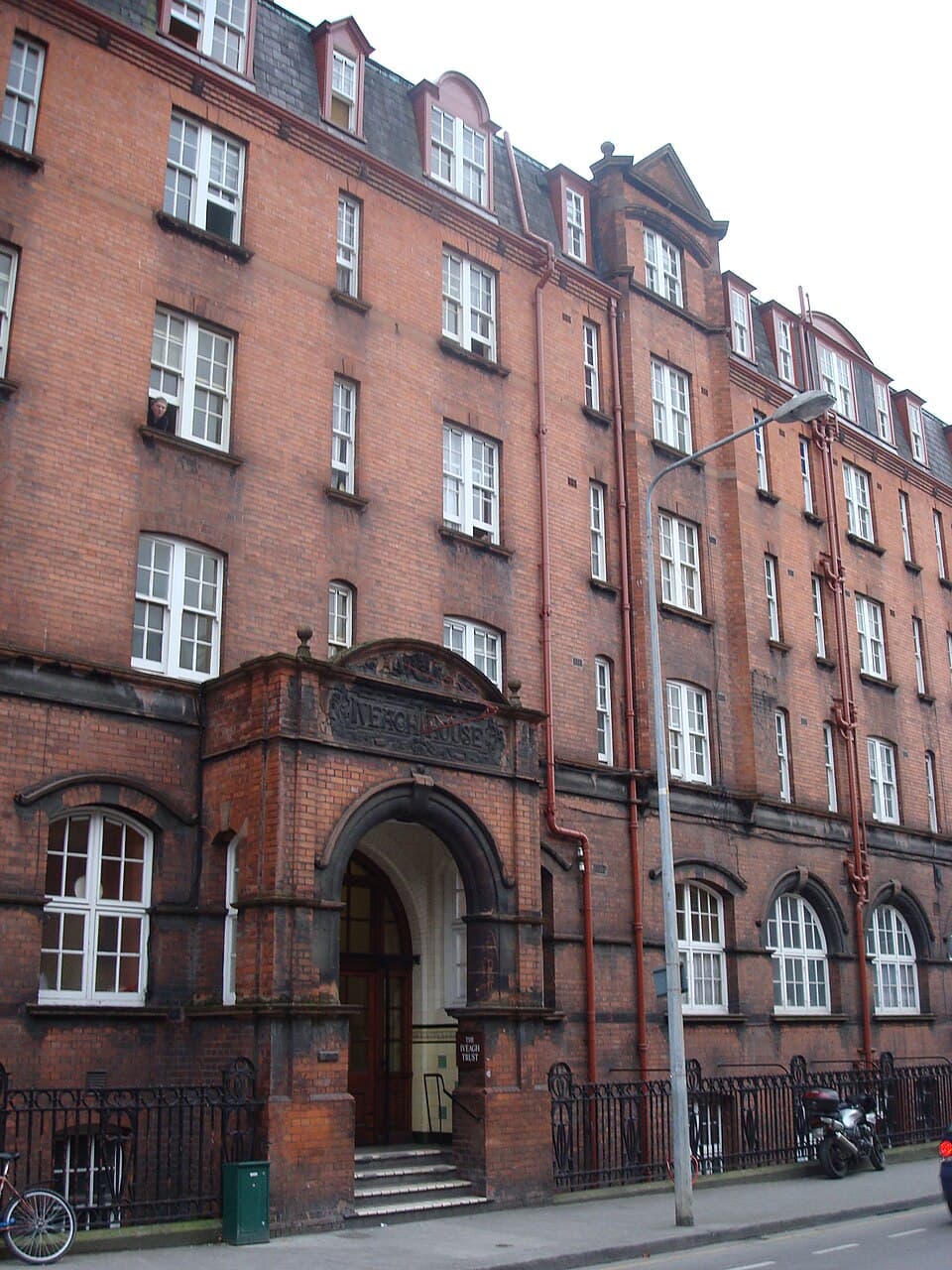
    Ireland and Argentina establish diplomatic relations by exchange of notes

    The Argentine foreign ministry dates the exchange of notes to 29 July 1947; Argentina's embassy in Dublin opened the next year, replacing a consulate general set up decades earlier.

    • Both countries
    • Diplomacy
    Where sources disagree

    Where sources disagree

    1. When diplomatic relations were established

      We say: 29 July 1947, per the Argentine foreign ministry.

  7. Embassies open in Dublin and Buenos Aires

    Argentina's embassy in Dublin opened in 1948, with José Bessone and Jorge Posse its first representatives; Ireland's mission in Buenos Aires opened in 1948–49 and stayed its only mission in Latin America until 1999.

    • Both countries
    • Diplomacy
    Where sources disagree

    Where sources disagree

    1. Opening of the Irish mission in Buenos Aires

      We say: Opened in 1948–49.

  8. St Patrick's church, Belgrano, Buenos Aires

    Five Pallottines are killed at St Patrick's, Belgrano

    In the early hours of Sunday 4 July 1976 the priests Alfredo Leaden, Alfredo Kelly and Pedro Dufau and the seminarians Salvador Barbeito and Emilio Barletti were killed at San Patricio parish; the Pallottines had come to Argentina from Ireland, and as of June 2026 no one has been convicted.

    • Argentina
    • Church
    • 1976 to 1983
    Where sources disagree

    Where sources disagree

    1. Who carried out the San Patricio killings

      We say: Unsolved; no one convicted as of June 2026; name no perpetrators.

  9. reported

    Fr Patrick Rice and Fátima Cabrera are abducted in Buenos Aires

    The Fermoy-born priest and the 18-year-old catechist were abducted after a prayer meeting in October 1976 and tortured; both survived, with prompt action by Irish Embassy staff credited in part, and Rice was deported in December 1976.

    • Both countries
    • Church
    • 1976 to 1983
    Where sources disagree

    Where sources disagree

    1. Date and place of Fr Patrick Rice's abduction

      We say: Abducted with Fátima Cabrera in October 1976.

  10. Rodolfo Walsh

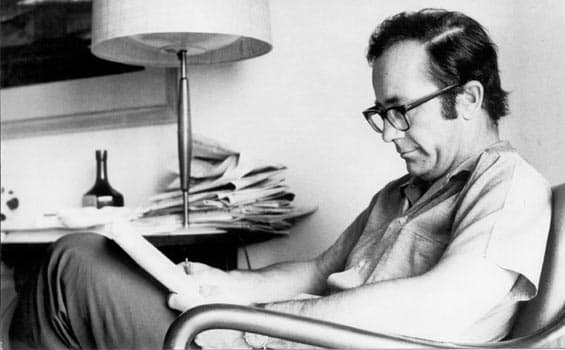
    Rodolfo Walsh is ambushed and disappeared

    The writer of Irish descent, author of an open letter to the military junta in March 1977, was shot and abducted in Buenos Aires on 25 March 1977 by what the Argentine government's account identifies as an ESMA task group; his remains were never returned and he is listed among the disappeared.

    • Argentina
    • Press and letters
    • 1976 to 1983
    Where sources disagree

    Where sources disagree

    1. Date of Walsh's open letter to the junta

      We say: His open letter of March 1977; ambushed on 25 March.

  11. reported

    Abductions from the Santa Cruz church, Buenos Aires

    Between 8 and 10 December 1977 twelve people, among them founders of the Mothers of Plaza de Mayo and two French nuns, were abducted after meeting at the Santa Cruz church of the Passionists, a congregation of Irish origin; Azucena Villaflor was taken from her home in Sarandí on 10 December.

    • Argentina
    • Church
    • 1976 to 1983
  12. Diego Maradona in 1979

    reported

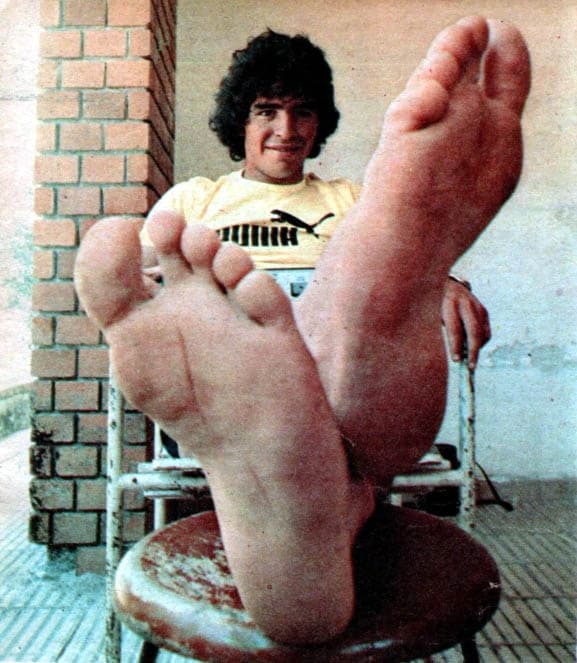
    The teenage Maradona plays at Lansdowne Road

    On 29 May 1979 the Republic of Ireland and Argentina drew 0–0 at Lansdowne Road before 25,000 in an unofficial international in aid of UNICEF; Maradona came on in the second half and later wrote about a Frank Stapleton tackle in his tour diary for El Gráfico.

    • Ireland
    • Sport
  13. Ireland votes for UN Security Council Resolution 502

    As a non-permanent Security Council member, Ireland voted on 3 April 1982 for Resolution 502, demanding an end to hostilities and Argentine withdrawal from the Malvinas; Argentina maintains its sovereignty claim to the islands, and the UK says it will not negotiate sovereignty without the islanders.

    • Both countries
    • Diplomacy
    • Navy and wars
  14. The cruiser ARA General Belgrano under way in the 1950s

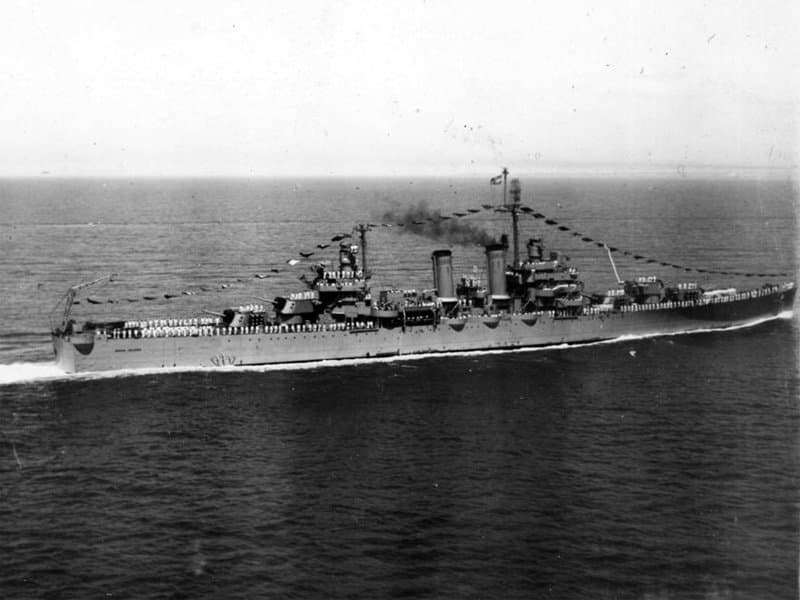
    After the Belgrano sinking, Ireland calls for a ceasefire

    Two days after the General Belgrano was sunk, the Irish government called for an urgent Security Council meeting to prepare a ceasefire resolution and asked EEC members to look again at sanctions; Haughey cited the heavy loss of life, while Britain described the sinking as self-defence under the UN Charter.

    • Both countries
    • Diplomacy
    • Navy and wars
    Where sources disagree

    Where sources disagree

    1. Why the Irish government changed course in May 1982

      We say: Each view is attributed to its author; the site endorses none.

Era 5 · 1990–2027

A descent community with living institutions

State visits, working holidays, Gaelic games revived, and Brown at 250.

Read about this era
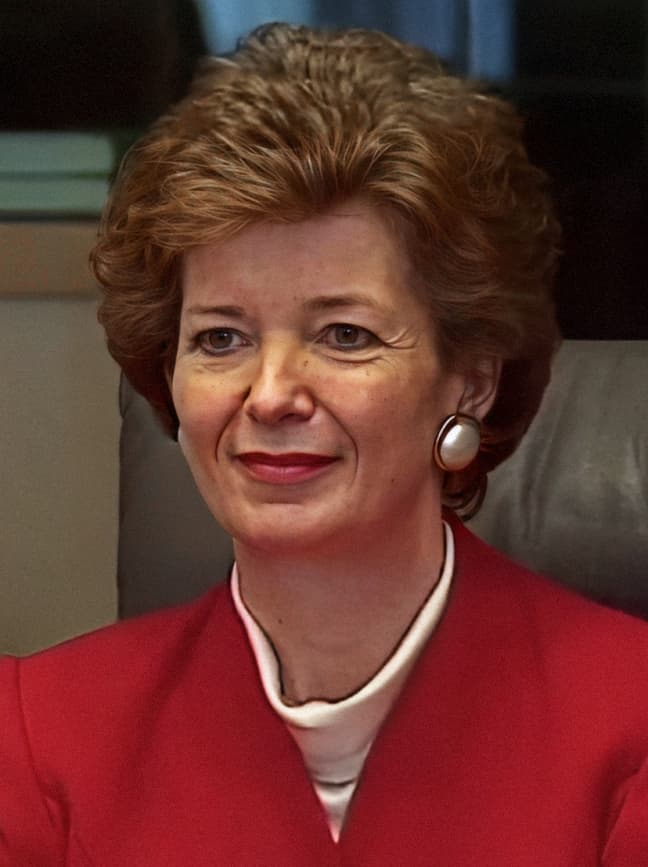
  1. Mary Robinson in 1995

    reported

    Mary Robinson's state visit, the first by an Irish president

    President Robinson's visit to Argentina, Chile and Brazil from 19 March to 2 April 1995 was the first state visit by an Irish president to Latin America; she met President Menem on 20 March and told an official dinner she was the first Irish president to visit Argentina officially.

    • Both countries
    • Diplomacy
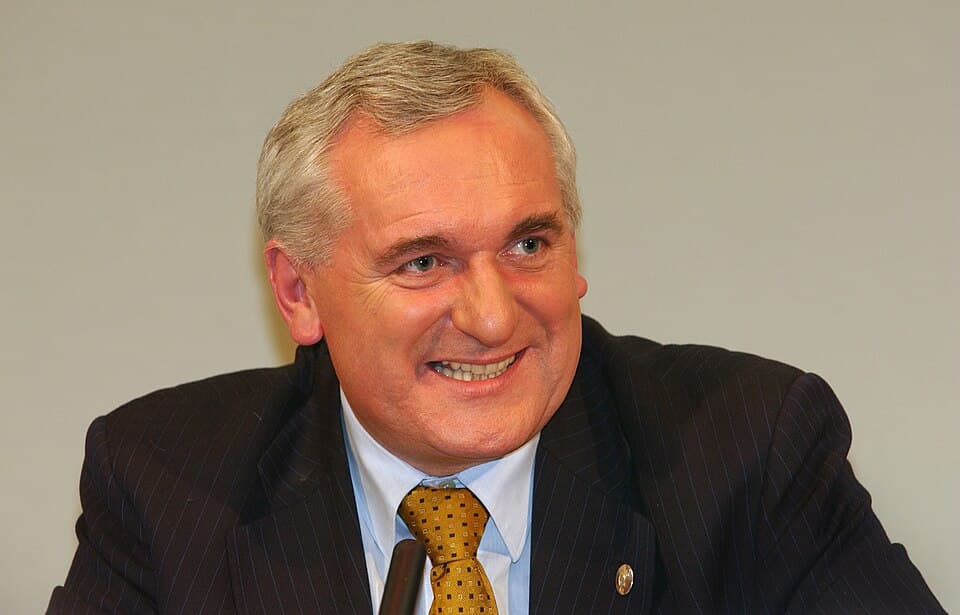
  2. Bertie Ahern in 2004

    Bertie Ahern makes the first visit by a Taoiseach

    Ahern arrived in Buenos Aires on 23 July 2001 on the first official visit by an Irish head of government, met President Fernando de la Rúa, and the two governments signed a memorandum of understanding on high-level political consultations.

    • Both countries
    • Diplomacy
    Where sources disagree

    Where sources disagree

    1. When the political consultations were agreed

      We say: Agreed in 2001 (Cancillería).

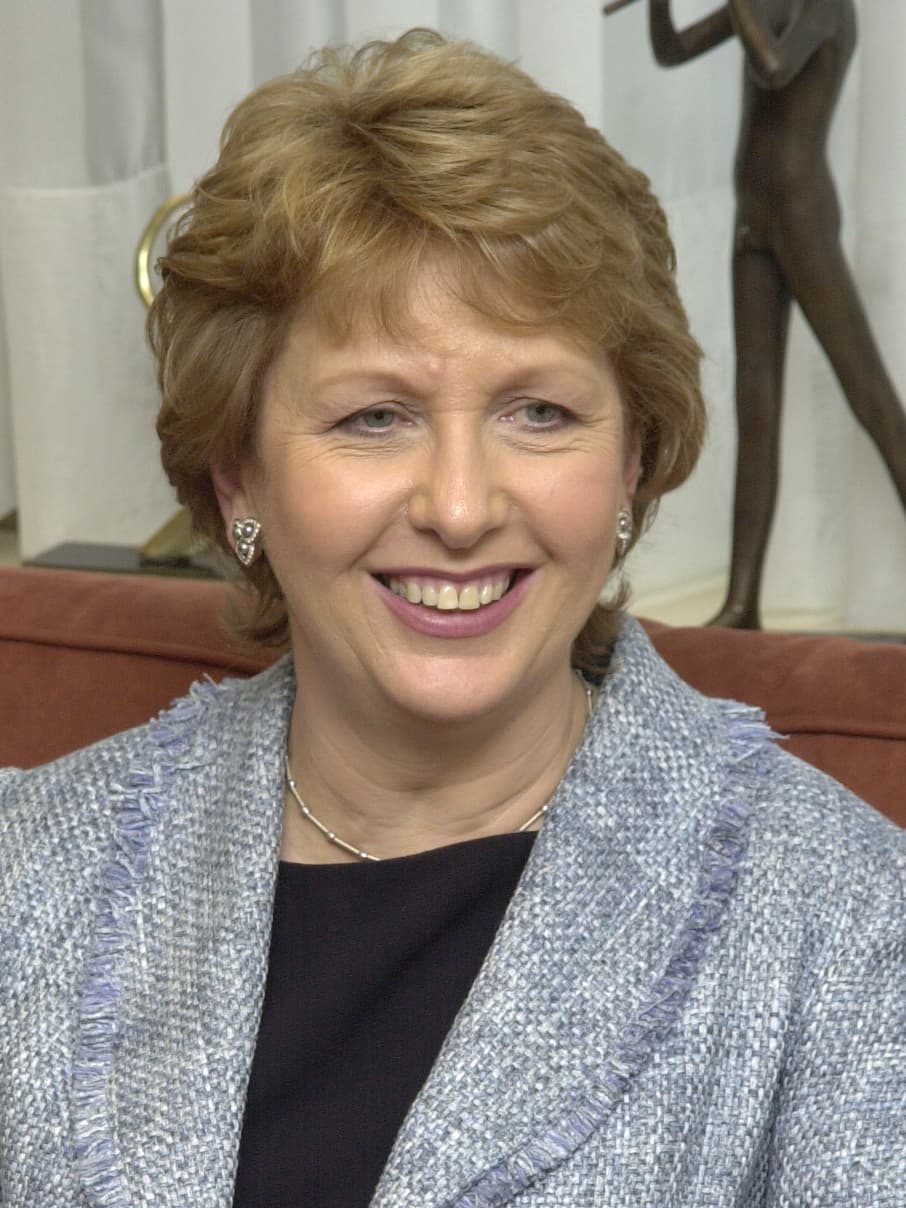
  3. Mary McAleese in 2003

    Mary McAleese visits; the first political consultations are held

    During President McAleese's visit in March 2004 the first Argentina–Ireland political consultations met at the Argentine foreign ministry, covering trade, judicial assistance, drugs, counter-terrorism and EU–Mercosur, under the mechanism agreed in 2001.

    • Both countries
    • Diplomacy
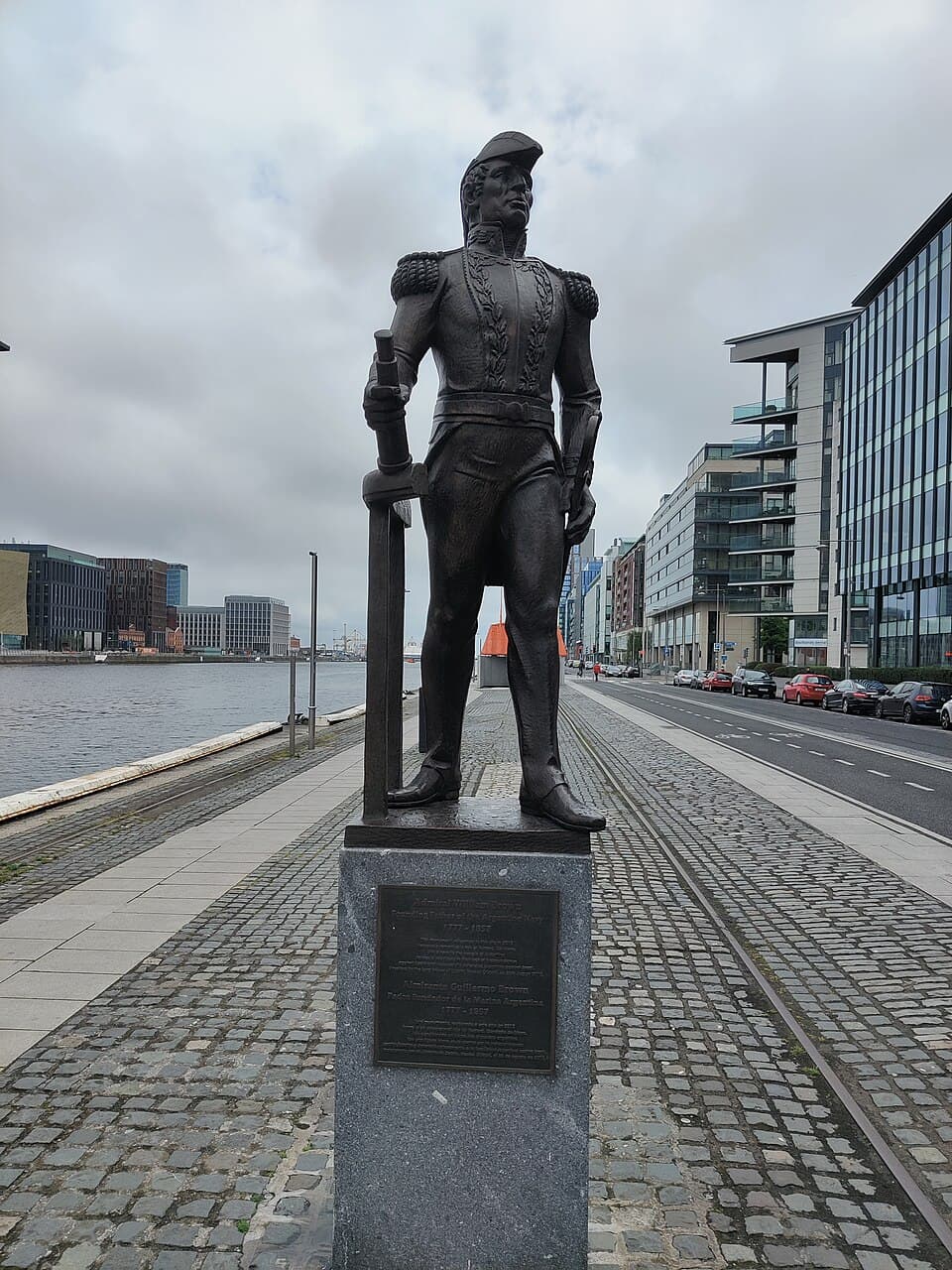
  4. The statue of Admiral Brown on Sir John Rogerson's Quay, Dublin

    reported

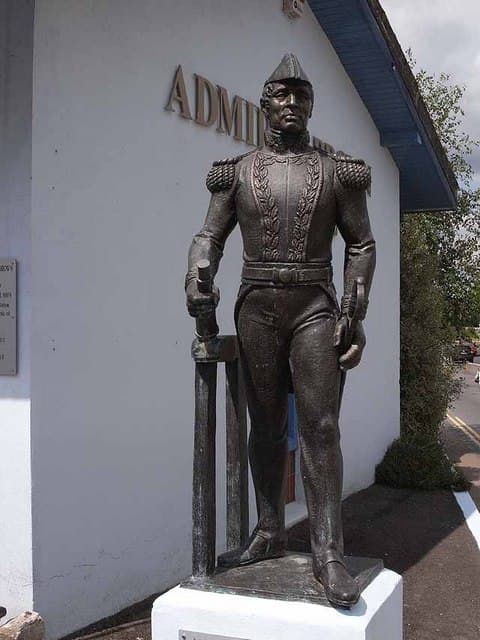
    A statue of Admiral Brown is unveiled on Sir John Rogerson's Quay, Dublin

    Taoiseach Bertie Ahern unveiled the bronze, a gift from the Argentine Navy, in September 2006; it was moved to its present spot with a new plinth and plaque in August 2012.

    • Ireland
    • Navy and wars
    • Culture
    Where sources disagree

    Where sources disagree

    1. When the Dublin Brown statue arrived and was unveiled

      We say: Unveiled on Sir John Rogerson's Quay in 2006; name the donor only once confirmed.

  5. Ireland and Argentina sign a working holiday agreement

    Signed in Buenos Aires in March 2008 by Dermot Ahern and Jorge Taiana, the agreement allowed up to 100 people a year each way; an exchange of notes in 2017 raised the quota to 200.

    • Both countries
    • Diplomacy
    • Migration
    Where sources disagree

    Where sources disagree

    1. Original working holiday terms, 2008

      We say: Signed in March 2008 with 100 places a year; 200 from 2017.

  6. The frigate ARA Libertad under sail

    reported

    A shared 2016: the Rising centenary and Argentina's independence bicentenary

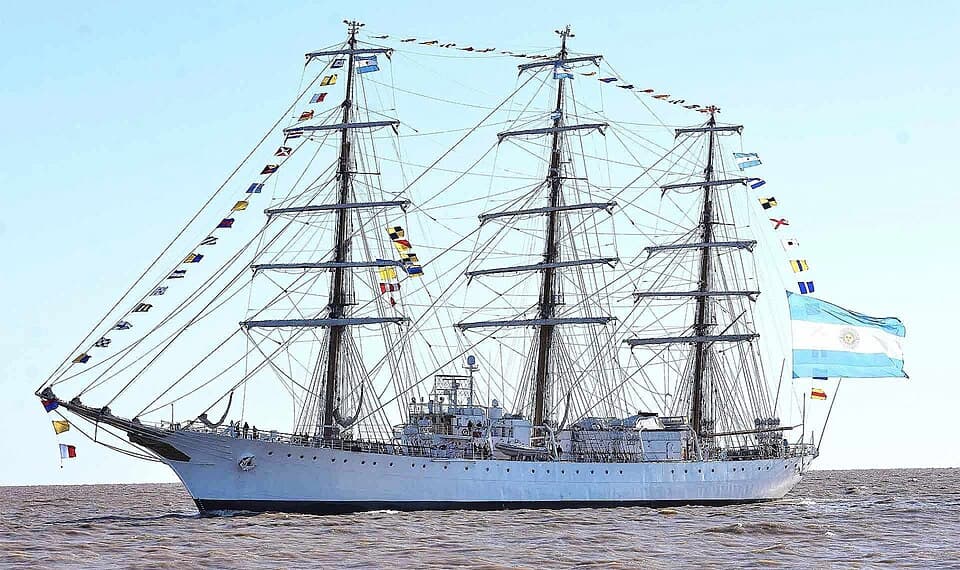
    From March 2016 Ambassador Justin Harman ran a programme of events marking both the Rising centenary and the bicentenary of Argentina's 1816 declaration of independence; the frigate ARA Libertad docked in Dublin from 27 to 31 July and its crew visited Foxford.

    • Both countries
    • Diplomacy
    • Navy and wars
    • Culture
  7. Ireland's census counts 2,904 residents born in Argentina

    Census 2022 counted 2,904 residents born in Argentina and 1,348 Argentine citizens, plus 232 people with dual Irish-Argentine citizenship; it was the first census to ask about citizenship rather than nationality.

    • Ireland
    • Migration
    • Community
    Where sources disagree

    Where sources disagree

    1. How many Argentines live in Ireland

      We say: 2,904 residents born in Argentina at the 2022 census.

  8. reported

    The Southern Cross turns 150; the Irish Embassy funds its digitisation

    Founded in Buenos Aires on 16 January 1875 by Patrick Joseph Dillon, the paper marked 150 years on 16 January 2025; that year the Embassy of Ireland spent €34,515.60 of Strategic Diaspora Project funds on digitising it.

    • Argentina
    • Press and letters
    • Community
    Where sources disagree

    Where sources disagree

    1. When The Southern Cross turned to Spanish

      We say: Published in English until the 1960s or 1970s.

  9. The 2026 working holiday round for Argentines opens

    The programme opened on 1 June 2026 at 09:00 Argentine time for 200 places; applicants send one email each to VFS Global from that moment, and the first 200 receive an appointment to submit documents.

    • Both countries
    • Migration
    Where sources disagree

    Where sources disagree

    1. Working holiday age limit for Argentines

      We say: Aged 18 to 35; check the current round's terms.

Where next

The story is still being written

The last entry is Admiral Brown's 250th birthday in 2027. Here is how to keep going.